

In the fast-paced world of veterinary medicine, a medical ventilator can be a lifesaving device, transforming how we manage respiratory emergencies in our animal patients. Did you know that just like humans, pets can experience severe complications during anesthesia or critical illness that may require mechanical ventilation to survive? As veterinary professionals, understanding how to effectively use medical ventilators is crucial for enhancing patient outcomes and ensuring the safety of our furry companions.
From surgical procedures to recovery from respiratory distress, this guide will explore the essential role of medical ventilators in veterinary practices, help demystify their functions, and provide best practices for their use. Whether you’re a seasoned veterinarian or a new veterinary technician, gaining insights into the application of these sophisticated machines can make a significant difference in the care you provide.
Understanding the Importance of Medical Ventilators in Veterinary Medicine
Definition and Purpose of Medical Ventilators
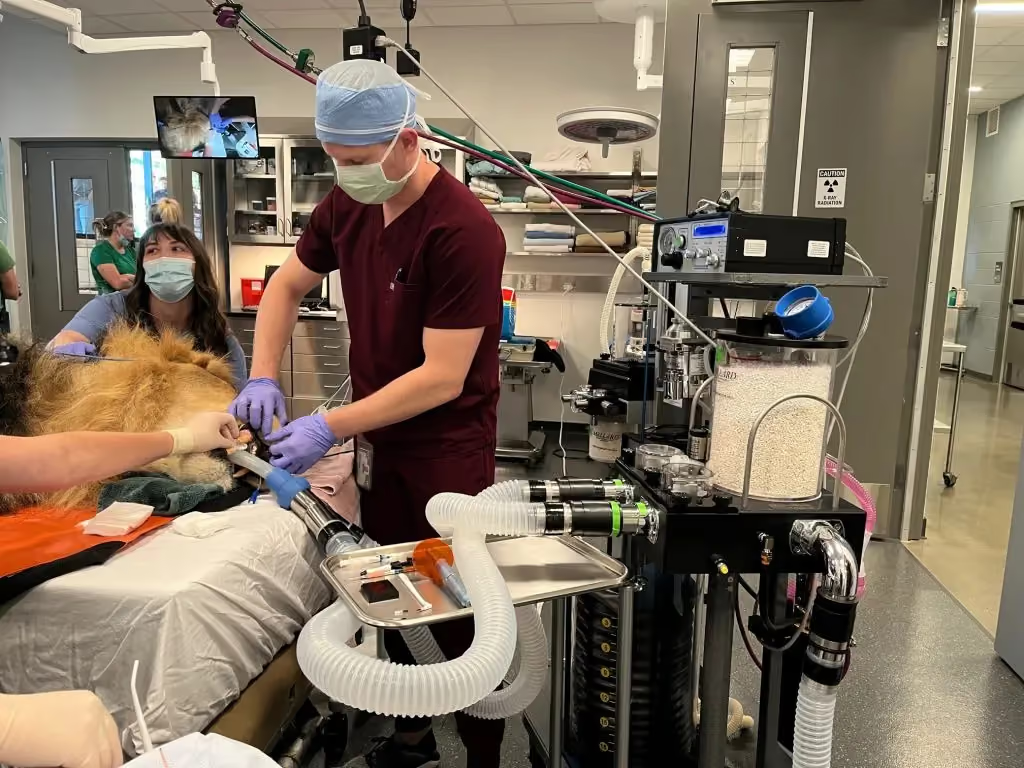
Medical ventilators are sophisticated devices designed to support or replace spontaneous breathing in patients, including animals. In veterinary medicine, these machines are critical in various settings, especially during anesthesia and emergency situations. They ensure an adequate exchange of gases—oxygen and carbon dioxide—maintaining the pet’s respiratory function.
Role of Ventilation in Anesthesia and Critical Care
In veterinary practices, the use of a medical ventilator can be the difference between life and death. During surgical procedures, animals are often placed under anesthesia, which can suppress normal respiratory functions. Medical ventilators step in to provide:
- Controlled delivery of anesthetic gases
- Constant monitoring of respiratory parameters
- Adjustment of ventilation in response to changing patient needs
These features are vital, as they help maintain optimal oxygen levels and reduce the risk of complications during and after surgery.
Types of Medical Ventilators Used in Veterinary Practices
Conventional Medical Ventilators
These ventilators are widely used in both human and veterinary medicine. They typically offer volume-cycled or pressure-cycled modes, allowing for flexibility based on the patient’s condition.
High-Frequency Ventilators
Designed for patients requiring very gentle ventilation, high-frequency ventilators deliver smaller tidal volumes at fast rates. This method can be especially beneficial for patients with compromised lung function.
Anesthesia Machines Integrating Ventilator Functions
Many modern anesthesia machines come with built-in ventilator capabilities. This integration allows for seamless transitions between delivering anesthesia and providing respiratory support, enhancing patient safety and ease of use for veterinary professionals.
For more information on choosing the right medical ventilator for your practice, consider visiting Mallard Medical Products for their extensive range of veterinary equipment and resources.
Best Practices for Using Medical Ventilators in Vets
Proper Setup and Calibration
Achieving optimal performance from a medical ventilator begins with its correct setup and calibration. Ensuring that the device is appropriately configured for the specific patient is crucial. Key factors to consider include:
- Patient Size and Species: Different animals have varying respiratory requirements. Adjust settings based on weight and breed.
- Ventilation Mode: Choose the appropriate mode—such as assist-control or pressure support—based on the condition being treated.
- Baseline Parameters: Set initial parameters, such as tidal volume and respiratory rate, in accordance with veterinary best practices before starting ventilation.
Monitoring Patient Parameters
Continuous monitoring of patient parameters while using a medical ventilator is essential. Veterinary professionals should watch for:
- End-Tidal Carbon Dioxide (ETCO2): Helps assess ventilation efficiency and detect any issues early.
- Pulse Oximetry: Ensures adequate oxygenation and detects hypoxia promptly.
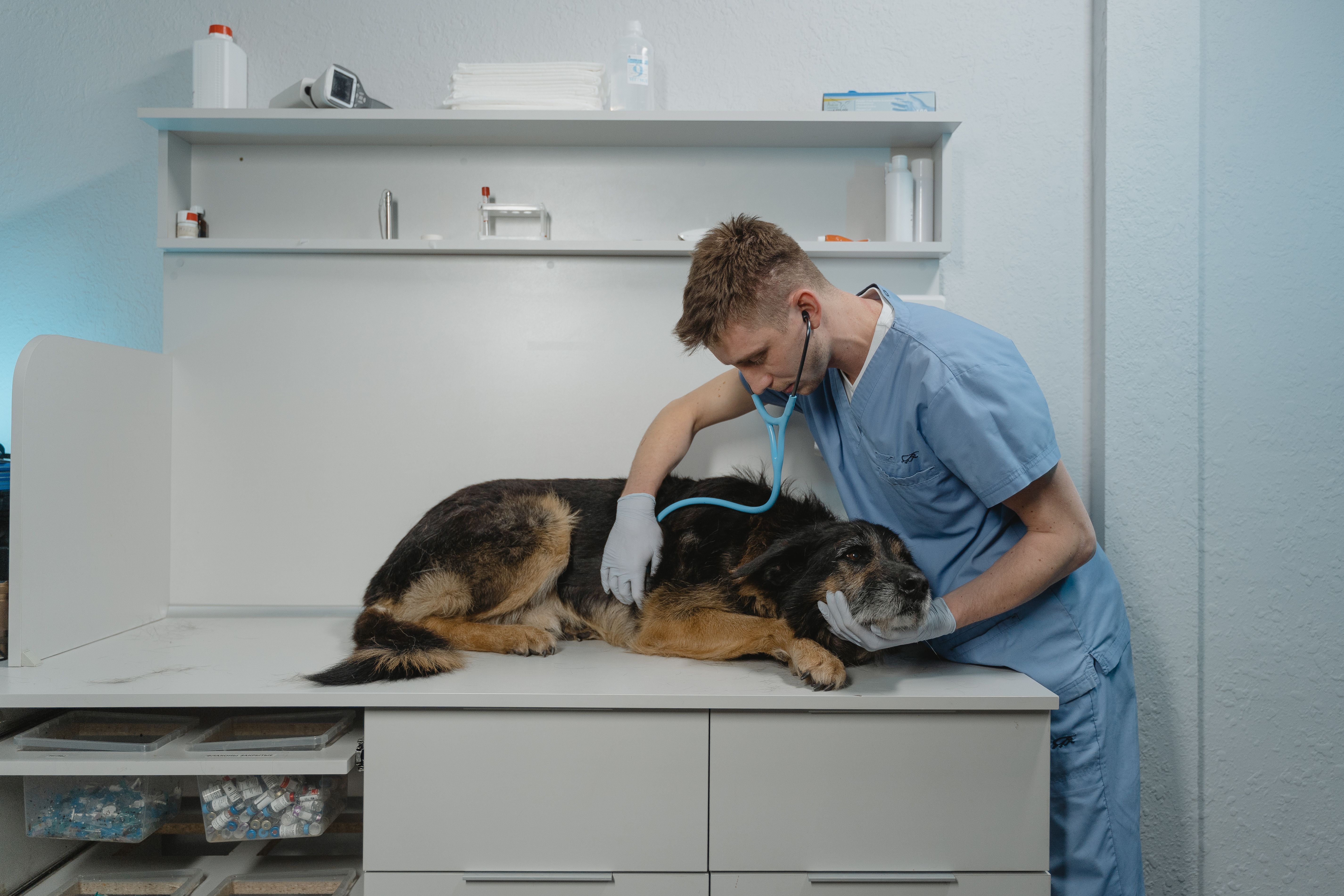
- Blood Pressure and Heart Rate: Essential for understanding the patient’s overall stability and responsiveness to ventilation.
Adjusting Settings for Different Species
Different species have unique respiratory mechanics, which require tailored approaches when using a medical ventilator. Factors to consider include:
- Tidal Volumes: Smaller animals may require lower tidal volumes (e.g., in ml/kg) compared to larger animals.
- Respiratory Rates: Adjust respiratory rates based on species norms (e.g., cats typically breathe faster than dogs).
- Inhalation to Exhalation Ratios: Understand the normal ratios for different animals to optimize settings.
By adhering to these best practices, veterinary professionals can maximize the efficiency and effectiveness of medical ventilators, ensuring better outcomes for their patients.
Common Conditions Requiring Medical Ventilator Support
Respiratory Distress in Pets
Veterinary patients often present with respiratory distress due to various conditions, making the application of a medical ventilator crucial. Common causes of respiratory distress include:
- Pneumonia: Infection can compromise lung function; ventilators help maintain oxygen levels.
- Asthma: Severe asthma attacks can obstruct airflow, necessitating ventilatory support.
- Heart Failure: Congestive heart failure can lead to pulmonary edema, where medical ventilators play a supportive role.
Post-Surgery Recovery
After surgical procedures, pets may experience temporary respiratory depression as anesthetic agents wear off. Using a medical ventilator can be beneficial in these cases by:
- Providing controlled breathing to eliminate anesthetic gases effectively.
- Preventing hypoxia during the recovery period.
- Allowing veterinary professionals to monitor and adjust ventilation according to patient needs.
Chronic Respiratory Diseases
Chronic conditions, such as bronchitis or chronic obstructive pulmonary disease (COPD), can complicate respiratory function. A medical ventilator can help in managing these diseases by:
- Assisting with the delivery of medicated aerosols or oxygen therapy.
- Maintaining adequate ventilation and improving the quality of life for affected animals.
- Offering temporary support during exacerbations of the disease.
Utilizing a medical ventilator in these scenarios not only stabilizes patients but can also lead to more effective treatment outcomes.
Safety Considerations When Using Medical Ventilators
Equipment Maintenance and Checks
To ensure the medical ventilator operates effectively, routine maintenance and checks are essential. Key maintenance practices include:
- Regular Calibration: Ensure all settings and measurements remain accurate to avoid any discrepancies.
- Routine Cleaning: Keep the ventilator and breathing circuits free from contaminants and debris, which could compromise function.
- Inspect for Damage: Regularly check hoses, filters, and other components for wear and tear to guarantee safety and reliability.
Understanding the Risks of Ventilator-Associated Pneumonia
Ventilator-associated pneumonia (VAP) is a concern when using a medical ventilator, especially in critically ill patients. It can occur when pathogens enter the lungs during ventilation. Minimizing this risk can be achieved by:
- Upright Positioning: When possible, keeping the patient in a semi-upright position can reduce aspiration risks.
- Oral Hygiene: Maintaining oral care can help lower the bacteria load and minimize infection chances.
- Frequent Assessment: Regularly evaluate the patient for signs of infection and adjust ventilation as needed.
Emergency Protocols
In emergencies, having a plan in place when using a medical ventilator is vital. Emergency preparedness includes:
- Backup Power Supply: Ensure that a secondary power source is available in case of mains failure.
- Alarm Responses: Train staff to respond swiftly to ventilator alarms, identifying issues like disconnection or low oxygen levels.
- Emergency Ventilation Methods: Familiarize the team with manual ventilation techniques (e.g., using a bag-valve-mask) in case of ventilator malfunction.
By prioritizing these safety considerations, veterinary professionals can enhance patient outcomes and reduce complications associated with medical ventilator use.
Future Trends in Veterinary Medical Ventilation
Technological Advances in Ventilator Design
The landscape of veterinary medicine continues to evolve with innovative technologies that enhance the performance and user-friendliness of medical ventilators. Upcoming trends in ventilator design include:
- Portable Ventilation Solutions: Compact and lightweight models to facilitate emergency care in various settings.
- Smart Ventilators: Devices equipped with artificial intelligence for real-time monitoring, adapting settings based on patient breathing patterns.
- Enhanced User Interfaces: Intuitive touchscreens and graphics that simplify operation and data interpretation for veterinary staff.
The Shift Towards Telemedicine and Remote Monitoring
With the rising influence of telemedicine, remote monitoring of patients using a medical ventilator is becoming increasingly feasible. Advantages include:
- Real-Time Data Access: Veterinary professionals can monitor patient parameters from anywhere, leading to prompt interventions when necessary.
- Increased Patient Support: Allowing continuous supervision, especially in critical care settings, improves patient outcomes.
- Cost-Effective Solutions: Remote consultations can save time and resources for both veterinary practices and pet owners.
Integration of AI in Patient Management
Artificial intelligence (AI) has the potential to transform how veterinary practices utilize medical ventilators. Key impacts of AI integration include:
- Predictive Analytics: AI algorithms can analyze data trends to predict potential respiratory complications before they arise.
- Personalized Ventilation Strategies: Machine learning can help create tailored ventilation protocols based on individual patient needs and histories.
- Efficient Resource Allocation: AI can aid in optimizing staffing and equipment usage within veterinary clinics to improve service delivery.
By embracing these future trends, veterinary professionals can enhance their practices, leading to better patient outcomes and more effective use of medical ventilators.
Conclusion
Recap of Key Points
Throughout this guide, we have explored the critical role of the medical ventilator in veterinary medicine. From understanding its importance in maintaining oxygenation during anesthesia to recognizing common conditions that necessitate its use, we’ve emphasized how veterinary practices can enhance patient care through effective ventilator management. Key takeaways include:
- The diverse types of medical ventilators suitable for veterinary practice.
- Best practices for setting up and monitoring ventilation.
- Safety considerations to minimize risks associated with ventilator use.
Encouragement for Continued Learning in Veterinary Practices
The rapid advancements in technology and medical knowledge highlight the necessity for continuous education in veterinary practices. Staying updated on the latest developments in medical ventilators not only enhances clinical skills but also improves patient safety and outcomes. Veterinary professionals are encouraged to participate in:
- Workshops and training sessions.
- Online courses related to anesthesia and ventilation.
- Webinars and industry conferences focused on veterinary medical equipment.
What is a medical ventilator and how does it work?
A medical ventilator is a mechanical device that assists or replaces spontaneous breathing in patients, including animals. It works by delivering a controlled flow of air (or a mixture of gases) to the lungs, ensuring proper oxygenation and carbon dioxide removal. The device can be set to various modes depending on the patient’s needs, providing either full support or assisting with spontaneous breaths.
When is a medical ventilator used in veterinary medicine?
Medical ventilators are commonly used in veterinary medicine during surgical procedures requiring anesthesia, in critical care situations involving respiratory failure, or when treating conditions like pneumonia or asthma. They serve as a crucial tool to maintain proper ventilation and oxygenation in pets that cannot breathe adequately on their own.
Are there different types of medical ventilators used in veterinary practices?
Yes, there are several types of medical ventilators employed in veterinary practices. Conventional medical ventilators are widely used, offering various modes of operation. High-frequency ventilators provide gentle, rapid breaths for patients requiring delicate care. Additionally, many modern anesthesia machines come with integrated ventilator capabilities for seamless operation during surgical procedures.
What are the key safety considerations when using a medical ventilator?
Ensuring the safety of patients while using a medical ventilator involves several key considerations. This includes regular maintenance and calibration of the equipment, proper training for veterinary staff, and vigilant monitoring of the patient’s vital signs. Understanding the risks associated with mechanical ventilation, such as ventilator-associated pneumonia, is also essential to minimize complications.
How can I choose the right medical ventilator for my veterinary practice?
Choosing the right medical ventilator involves evaluating your practice’s specific needs and the types of cases you frequently encounter. Consider factors such as the range of ventilation modes offered, size and portability of the device, ease of use, and integration with anesthesia machines. It’s also beneficial to consult with reputable manufacturers and suppliers for guidance on the best options available for your practice.