

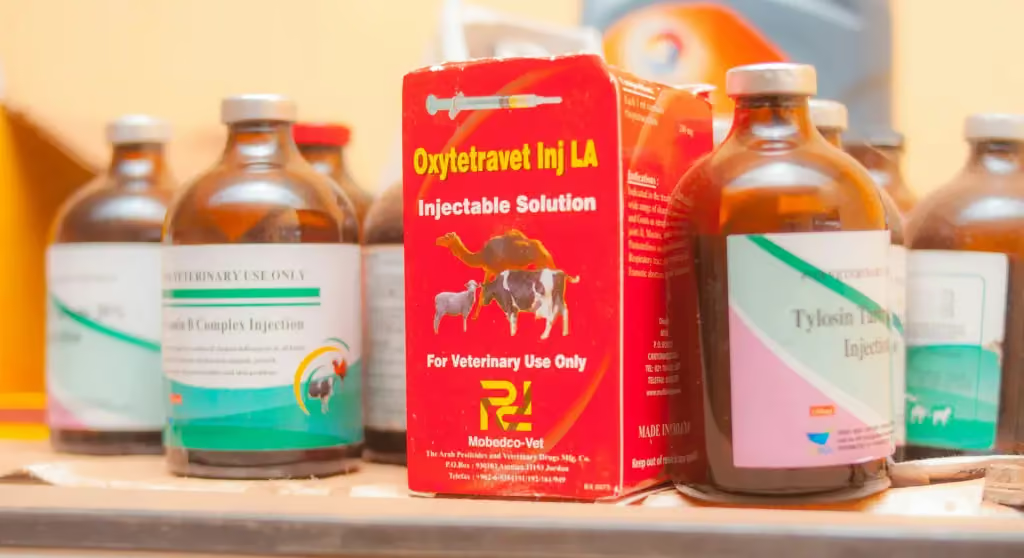
Veterinary anesthesia administration is a critical component of modern veterinary medicine, ensuring that animal patients remain pain-free and comfortable during surgical procedures. Did you know that even the smallest fluctuation in an anesthetic level can significantly affect an animal’s safety and recovery? As veterinarians strive to provide the highest level of care, understanding the nuances of anesthesia—from the selection of agents to the meticulous monitoring during procedures—is essential for achieving optimal outcomes. In this essential guide, we will explore various aspects of veterinary anesthesia administration, equipping veterinary professionals with the knowledge needed to enhance their practice and improve the lives of their furry patients.
Understanding Veterinary Anesthesia Administration
Veterinary anesthesia administration is a crucial aspect of providing safe and effective medical care to animals undergoing surgical procedures or diagnostic interventions. It ensures that animals are comfortable and pain-free during various treatments, allowing veterinarians to perform their work effectively. Understanding the fundamental components of this process can enhance outcomes for both pets and veterinary professionals.
Types of Anesthetic Agents
Veterinary anesthesia can be categorized into several types of anesthetic agents, which differ in their administration and effects. Familiarity with these agents is essential for practitioners involved in veterinary anesthesia administration.
- Inhalant Anesthetics: These are gases that are administered via a vaporizer. Common examples include isoflurane and sevoflurane, which provide rapid induction and recovery.
- Injectable Anesthetics: These drugs are administered through injections, providing quick sedation and analgesia. Examples include propofol and ketamine, often used for induction.
- Local Anesthetics: Utilized for specific regions of the body, local anesthetics help manage pain during minor procedures and can be combined with general anesthesia for better pain control. Bupivacaine and lidocaine are widely used in this category.
Pre-Anesthetic Evaluation
Before initiating veterinary anesthesia administration, it is vital to conduct a thorough pre-anesthetic evaluation. This step helps identify any potential risks and prepares the veterinary team for a safe anesthesia experience.
- Patient History and Physical Examination
- Review medical history, including previous anesthesia experiences.
- Perform a comprehensive physical examination to assess overall health.
- Risk Assessment and Patient Selection
- Evaluate individual risk factors, such as age, breed, and existing health conditions.
- Utilize risk assessment protocols to categorize patients appropriately.
- Pre-Anesthetic Testing and Monitoring
- Conduct blood tests, imaging, or other diagnostic assessments.
- Monitor vital parameters such as heart rate and respiratory rate.
Monitoring During Anesthesia
Continuous monitoring during veterinary anesthesia administration is crucial for ensuring patient safety throughout the procedure. Key parameters to monitor include:
- Heart Rate: Essential for evaluating cardiovascular function.
- Blood Pressure: Indicates the animal’s overall circulatory health.
- Oxygen Saturation: Assesses the effectiveness of ventilation.
- Temperature: Important for maintaining normothermia during anesthesia.
Post-Anesthetic Care
After the administration of anesthesia, proper post-anesthetic care is necessary to ensure a smooth recovery. This stage requires the veterinary team to be vigilant in monitoring the animal’s condition, looking out for any potential complications such as:
- Hypothermia
- Nausea and vomiting
- Respiratory depression
Implementing a structured recovery plan can significantly enhance patient outcomes and facilitate a quicker return to normal activity.
In conclusion, effective veterinary anesthesia administration is a multifaceted process that demands careful attention from veterinary professionals. By understanding the available anesthetic agents, conducting thorough pre-anesthetic evaluations, and providing continuous monitoring, veterinarians can ensure that their patients receive safe and reliable care throughout their medical procedures.
Innovations in Veterinary Anesthesia Technology
The field of veterinary anesthesia administration continues to evolve with advancements in technology. These innovations aim to enhance safety, efficiency, and precision during the anesthesia process, ultimately improving outcomes for animal patients. Understanding the latest technological advancements can empower veterinary professionals to make informed decisions in their practices.
Advanced Ventilation Support
One of the most significant advancements in veterinary anesthesia administration is the introduction of advanced ventilation support systems. These systems provide precise control over anesthetic delivery and ventilation parameters, leading to:
- Improved oxygenation: Enhanced management of oxygen delivery reduces the risk of hypoxia.
- Accurate CO2 monitoring: Continuous measurement of carbon dioxide levels ensures effective ventilation.
- Better patient outcomes: Tailored ventilation strategies based on individual patient needs can lead to faster recoveries.
Anesthesia Machines and Equipment
Modern anesthesia machines are designed with advanced features that facilitate safer veterinary anesthesia administration. Key innovations in equipment include:
- Integrated monitors: Many machines now come equipped with built-in monitoring systems that track vital signs, allowing for real-time assessments and adjustments.
- User-friendly interfaces: Enhanced technology has led to intuitive designs, making it easier for veterinary staff to operate machines even during critical moments.
- Portability: Compact and lightweight designs enable veterinarians to perform anesthesia administration even in field settings, expanding care access.
Future Trends in Veterinary Anesthesia Administration
As veterinary medicine continues to advance, future trends in anesthesia administration are expected to focus on:
- Telemedicine integration: The combination of telehealth with anesthesia support may allow veterinarians to consult with specialists remotely.
- AI-based monitoring systems: Artificial intelligence can potentially facilitate real-time data analysis, improving decision-making during anesthesia.
- Personalized anesthesia protocols: Future advancements may focus on tailoring anesthesia plans to the unique needs of individual patients based on genetics and health factors.
Staying informed about these technological advancements is essential for veterinary professionals committed to the highest standards of anesthesia care.
In conclusion, the innovations in veterinary anesthesia administration reflect a commitment to improving patient safety and care quality. By embracing cutting-edge technology, veterinarians can ensure that they are providing the best anesthesia experience for their animal patients.
Post-Anesthetic Care
The importance of post-anesthetic care in the realm of veterinary anesthesia administration cannot be overstated. Once the anesthesia procedure is complete, the focus shifts to ensuring the animal’s safe recovery. This phase is crucial for identifying and managing any potential complications while providing the support needed for a smooth transition back to normal functioning.
Key Components of Post-Anesthetic Care
Veterinary professionals should prioritize several aspects of post-anesthetic care, including:
- Monitoring the Recovery Environment: Create a quiet, comfortable space away from noise and commotion to minimize stress during recovery.
- Vital Sign Assessment: Consistently monitor heart rate, respiratory rate, and temperature to ensure stability. Look for signs of discomfort, which may indicate the need for pain management.
- Fluid Therapy: Maintain hydration through intravenous or subcutaneous fluids, especially in cases where the animal has been deprived of water prior to the procedure.
- Gradual Reorientation: Allow the animal to regain consciousness on its own terms. Avoid sudden loud noises or movements that might startle the patient.
Common Post-Anesthesia Complications
Veterinary teams should be aware of potential complications that may arise during the recovery phase:
- Hypothermia: Anesthesia can lower body temperature, so it’s crucial to monitor and warm the animal if necessary.
- Nausea and Vomiting: Animals may experience nausea after anesthesia; consider administering antiemetics as needed.
- Respiratory Depression: Ensure the animal is breathing adequately. Supplemental oxygen may be required if the animal is having trouble.
Strategies for Effective Post-Anesthetic Care
To support optimal recovery, implementing effective strategies is essential:
- Pain Management: Administer appropriate analgesics based on the procedure performed. Recognizing and addressing pain promptly will improve recovery outcomes.
- Feeding Protocol: After a successful recovery from anesthesia, reintroduce food gradually to avoid gastrointestinal upset. Start with small, easy-to-digest meals.
- Owner Communication: Educate pet owners on what to expect in the postoperative period, including warning signs that require immediate veterinary attention.
In essence, thorough post-anesthetic care is integral to the entire process of veterinary anesthesia administration. By paying attention to both monitoring and support systems, veterinarians can significantly enhance the safety and comfort of their patients during recovery.
Conclusion
In summary, effective veterinary anesthesia administration is a multifaceted process that involves understanding a variety of anesthetic techniques, thorough pre-anesthetic evaluations, rigorous monitoring during procedures, and attentive post-anesthetic care. This comprehensive approach not only enhances the safety and efficacy of anesthesia but also contributes to better surgical outcomes and overall animal welfare.
Key Takeaways
To encapsulate the essential aspects of veterinary anesthesia administration, consider the following takeaways:
- Importance of Pre-Anesthetic Evaluation: Thorough evaluations help identify risks and select appropriate anesthetic agents tailored to each patient’s needs.
- Continuous Monitoring: Active monitoring during anesthesia is crucial for detecting any changes in the animal’s vital signs, allowing for timely interventions.
- Post-Anesthetic Care is Critical: Proper recovery strategies and monitoring help mitigate complications, ensuring a smooth return to normalcy for the patient.
- Advancements in Technology: Staying updated with new technological innovations enhances the efficacy and safety of veterinary anesthesia practices.
Commitment to Education and Improvement
Veterinarians and veterinary technicians should commit to ongoing education in the field of anesthesia to stay informed about best practices, new technologies, and emerging trends. This not only improves individual practices but also elevates the standards of animal care within the veterinary community.
For additional resources and continuing education opportunities, visit American Veterinary Medical Association (AVMA).
Ultimately, a well-rounded and informed approach to veterinary anesthesia administration ensures that animals receive the highest quality of care during surgical procedures, leading to better outcomes and improved quality of life post-surgery.
Types of Anesthetic Agents
Veterinary anesthesia administration involves various types of anesthetic agents that serve different purposes based on the procedure and the individual needs of the patient. Understanding these agents is vital for effective anesthesia practice and ensuring optimal outcomes for animal patients.
Inhalant Anesthetics
Inhalant anesthetics are gases that are administered through a vaporizer. They are popular due to their rapid induction and recovery properties. Common inhalant anesthetics include:
- Isoflurane: Known for excellent control over anesthesia depth and minimal side effects.
- Sevoflurane: Offers rapid induction and recovery, making it ideal for outpatient procedures.
Benefits of inhalant anesthetics:
- Easily adjustable anesthesia depth.
- Quick recovery times, allowing faster discharge of patients.
Injectable Anesthetics
Injectable anesthetics are administered via injection and are often used for induction or sedation. Notable injectable agents include:
- Propofol: Provides smooth induction and can be used for both procedural sedation and maintenance of anesthesia.
- Ketamine: Commonly used in combination with sedatives; effective for anesthetic procedures in various species.
Advantages of injectable anesthetics:
- Rapid onset of action.
- Ability to be administered in various clinical settings.
Local Anesthetics
Local anesthetics are targeted at specific areas to provide pain relief during minor procedures. They are often used in conjunction with general anesthesia to ensure comprehensive pain management. Common local anesthetics include:
- Lidocaine: Frequently used for nerve blocks and minor surgical procedures.
- Bupivacaine: Offers longer-lasting pain relief, suitable for extended procedures.
Key benefits of local anesthetics:
- Minimized systemic effects since they target specific areas.
- Improved patient comfort and pain management as part of the overall anesthesia plan.
Selecting the Right Anesthetic Agent
Choosing the appropriate anesthetic agent is crucial in veterinary anesthesia administration. Factors influencing the choice include:
- Patient Health Status: Assessment of existing medical conditions and history of anesthesia.
- Type of Procedure: Invasive surgeries may require different agents compared to non-invasive procedures.
- Species-Specific Considerations: Understanding the metabolism and tolerance of different anesthetics in various animal species.
In conclusion, a solid understanding of the types of anesthetic agents available is foundational to effective veterinary anesthesia administration. By carefully selecting and utilizing these agents, veterinary professionals can enhance safety and comfort for their patients throughout the procedure.
Pre-Anesthetic Evaluation
A thorough pre-anesthetic evaluation is a critical component of veterinary anesthesia administration, ensuring that every patient receives appropriate care tailored to its individual needs. This process involves assessing the animal’s overall health, identifying any potential risks, and determining the best anesthetic protocol.
Key Steps in Pre-Anesthetic Evaluation
- Patient History Review
- Gather detailed information regarding the animal’s medical history, including:
- Previous anesthesia experiences.
- Current medications.
- Allergies or adverse reactions to drugs.
- Gather detailed information regarding the animal’s medical history, including:
- Physical Examination
- Conduct a comprehensive physical examination to evaluate key factors such as:
- Heart and lung function.
- Body condition score.
- Hydration status and any signs of illness.
- Conduct a comprehensive physical examination to evaluate key factors such as:
- Risk Assessment
- Calculate the American Society of Anesthesiologists (ASA) physical status classification to assess overall risk:
- ASA I: Healthy animal with no systemic disease.
- ASA II: Mild systemic disease.
- ASA III: Severe systemic disease.
- ASA IV: Severe systemic disease that is a constant threat to life.
- ASA V: Moribund animal that is not expected to survive without surgery.
- Calculate the American Society of Anesthesiologists (ASA) physical status classification to assess overall risk:
- Pre-Anesthetic Testing
- Depending on the findings from the history and physical evaluation, additional tests may be warranted, such as:
- Bloodwork (complete blood count, chemistry panels) to assess organ function and detect underlying conditions.
- Radiographs or ultrasound imaging for further diagnostic evaluation.
- Depending on the findings from the history and physical evaluation, additional tests may be warranted, such as:
Importance of Pre-Anesthetic Evaluation
Conducting a diligent pre-anesthetic evaluation is crucial for several reasons:
- Risk Mitigation: Identifying potential health issues reduces the likelihood of complications during and after anesthesia.
- Informed Decision-Making: Detailed evaluations guide veterinary professionals in selecting the most appropriate anesthetic agents and protocols.
- Enhanced Understanding: Gaining insight into an animal’s current state allows for personalized care that prioritizes patient safety and comfort.
By adhering to a structured pre-anesthetic evaluation process, veterinary teams can significantly improve the safety and efficacy of veterinary anesthesia administration.
For comprehensive guidelines on pre-anesthetic practices, consult resources from The American College of Veterinary Anesthesia and Analgesia.
Monitoring During Anesthesia
Effective veterinary anesthesia administration relies heavily on continuous monitoring throughout the procedure. This practice is essential for ensuring patient safety and enables veterinary professionals to respond promptly to any changes in the animal’s condition. Understanding the various monitoring techniques and the parameters to observe is crucial for successful anesthesia management.
Key Monitoring Parameters
During anesthesia, several vital signs should be closely monitored:
- Heart Rate and Rhythm
- Continuously check for any irregularities in heartbeats. A normal heart rate varies by species:
- Dogs: 70-120 beats per minute.
- Cats: 140-220 beats per minute.
- Continuously check for any irregularities in heartbeats. A normal heart rate varies by species:
- Respiratory Rate and Effort
- Monitor the number and quality of breaths per minute. Normal respiratory rates are:
- Dogs: 10-30 breaths per minute.
- Cats: 20-30 breaths per minute.
- Observing the effort of breathing ensures there are no signs of distress.
- Monitor the number and quality of breaths per minute. Normal respiratory rates are:
- Oxygen Saturation (SpO2)
- Measuring oxygen saturation is critical to assess the efficiency of oxygen delivery. Ideally, SpO2 levels should be above 95%.
- Pulse oximeters are commonly used for this purpose.
- Blood Pressure
- Monitoring blood pressure helps detect circulatory issues. A non-invasive blood pressure cuff can provide continuous readings, with normal values varying by species and size.
- Temperature
- Maintaining normothermia during surgery is vital. Monitor the animal’s temperature to prevent hypothermia or hyperthermia, aiming for:
- Dogs: 100.5°F to 102.5°F.
- Cats: 100.5°F to 102.5°F.
- Maintaining normothermia during surgery is vital. Monitor the animal’s temperature to prevent hypothermia or hyperthermia, aiming for:
Monitoring Equipment
To effectively monitor these parameters, veterinary practices use a range of advanced equipment:
- Multiparameter Monitors: These devices continuously measure several vital signs simultaneously, offering real-time data on heart rate, blood pressure, and oxygen saturation.
- Capnography: This tool measures the concentration of carbon dioxide in respiratory gases, providing insights into ventilation effectiveness.
- ECG Monitors: Used to track the heart’s electrical activity, helping detect arrhythmias that may pose risks during anesthesia.
The Importance of Continuous Monitoring
Continuous monitoring during veterinary anesthesia administration is essential for several reasons:
- Early Detection of Complications: Timely identification of deviations from normal parameters allows for prompt intervention.
- Enhanced Patient Safety: Constant oversight plays a critical role in preventing adverse events and ensuring the well-being of the animal.
- Dynamic Adjustments: Monitoring allows veterinary professionals to make real-time adjustments to anesthesia depth or ventilation if needed.
In conclusion, proficient monitoring during anesthesia is a cornerstone of veterinary anesthesia administration. By staying vigilant and utilizing advanced equipment, veterinary teams can help ensure a safe and effective anesthetic experience for their patients.
Anesthesia Administration Techniques
Proper anesthesia administration techniques are fundamental in veterinary anesthesia administration, directly impacting the safety and effectiveness of any surgical or diagnostic procedure. Understanding these techniques, along with their applications, helps veterinary professionals ensure optimal outcomes for their patients.
Induction of Anesthesia
Induction is the phase where the patient transitions from consciousness to an anesthetized state. This initial step is crucial for ensuring smooth anesthesia transition and can be performed using the following techniques:
- Injectable Induction:
- Commonly used agents include propofol and thiopental.
- Benefits:
- Rapid onset of action.
- Increased control over the depth of anesthesia.
- Inhalant Induction:
- Administration through an anesthetic machine delivering inhalant agents such as sevoflurane.
- Benefits:
- Allows for rapid adjustment of anesthesia depth.
- Easier for monitoring during induction.
Maintaining Anesthesia
Once the patient is anesthetized, maintaining anesthesia is crucial for ensuring a stable and sufficient level of sedation throughout the procedure. This involves:
- Inhalant Anesthetics:
- Maintaining a steady concentration of inhalant agents like isoflurane or sevoflurane.
- Regularly adjusting flow rates based on real-time monitoring of patient parameters.
- Combination Techniques:
- Using a combination of injectable agents for sedation and inhalants for maintenance can optimize patient comfort and anesthetic depth.
- Multi-modal analgesia may be employed to manage pain better during surgery, reducing the amount of inhalant needed.
Emergence from Anesthesia
Emerging from anesthesia is the process where the patient returns to consciousness after the procedure. Effective management during this phase is vital to ensure the safety and comfort of the animal. Key techniques include:
- Controlled Recovery Environment:
- Provide a quiet and comfortable recovery area away from distractions.
- Keep monitoring equipment available to observe vital signs as the patient awakens.
- Gradual Withdrawal of Anesthetic Agents:
- Carefully reduce the flow of inhalant agents or slowly reverse injectable anesthetics as indicated.
- Open airways if necessary and consider administering supplemental oxygen for respiratory support during recovery.
- Post-Anesthesia Monitoring:
- Continually monitor vital signs until the patient is stable and alert.
- Watch for any signs of complications, such as prolonged sedation or respiratory distress.
In conclusion, mastering anesthesia administration techniques is critical for successful veterinary anesthesia administration. By employing appropriate induction, maintenance, and emergence protocols, veterinary professionals can ensure a safe and effective anesthetic experience for their patients.
For additional best practices and guidelines on anesthesia techniques, visit VCA Animal Hospitals.
Frequently Asked Questions
What is veterinary anesthesia administration?
Veterinary anesthesia administration refers to the process of using anesthetic agents to induce a state of controlled unconsciousness or sedation in animals during surgical procedures or other medical interventions. This process ensures that the animal remains pain-free and stable while allowing veterinary professionals to perform necessary treatments safely.
What are the risks associated with anesthesia in animals?
While veterinary anesthesia is generally safe, there are potential risks involved, such as adverse reactions to anesthetic agents, respiratory complications, or cardiovascular instability. Factors such as the animal’s age, health status, and type of procedure can increase these risks. Thorough pre-anesthetic evaluations and vigilant monitoring during the procedure are essential to mitigate these risks.
How can I prepare my pet for anesthesia?
Preparing your pet for anesthesia involves following your veterinarian’s instructions, which may include fasting for a specific period prior to the procedure. This helps reduce the risk of vomiting during anesthesia. It’s also important to discuss your pet’s medical history, current medications, and any concerns with your veterinarian to ensure a safe anesthesia experience.
How is anesthesia monitored during a procedure?
During anesthesia, several vital parameters, such as heart rate, respiratory rate, blood pressure, and oxygen saturation, are continuously monitored to ensure the animal’s safety. Advanced monitoring equipment, including multiparameter monitors and capnographs, helps veterinary staff detect any changes in the animal’s condition, allowing for prompt adjustments to the anesthesia as needed.
What should I expect during my pet’s recovery from anesthesia?
During recovery, your pet will be monitored closely as they regain consciousness. You should expect some grogginess or disorientation as the anesthesia wears off. Your veterinarian will provide instructions on post-anesthesia care, including monitoring for signs of discomfort, keeping your pet calm, and when to resume feeding. Each pet’s recovery time can vary, but most will return to normal activities shortly after.