


Did you know that the success of a veterinary surgical procedure can depend as much on the quality of the surgical equipment as on the skills of the surgeon? Veterinary surgical equipment plays a pivotal role in not only the efficiency of surgery but also in ensuring the safety and comfort of animal patients.
As technology continues to evolve, it is essential for veterinary practices to stay updated on the latest advancements and best practices related to surgical tools. This blog post delves into the various types of veterinary surgical equipment, their importance, and the innovative trends shaping the future of surgical veterinary care.
Understanding Veterinary Surgical Equipment
Veterinary surgical equipment is critical for ensuring successful surgical outcomes for animals. This equipment not only improves the efficiency of the surgical procedure but also significantly enhances the safety and comfort of the animals being treated. In this section, we will explore the essential types of veterinary surgical equipment and their importance in modern veterinary practices.
Essential Surgical Instruments
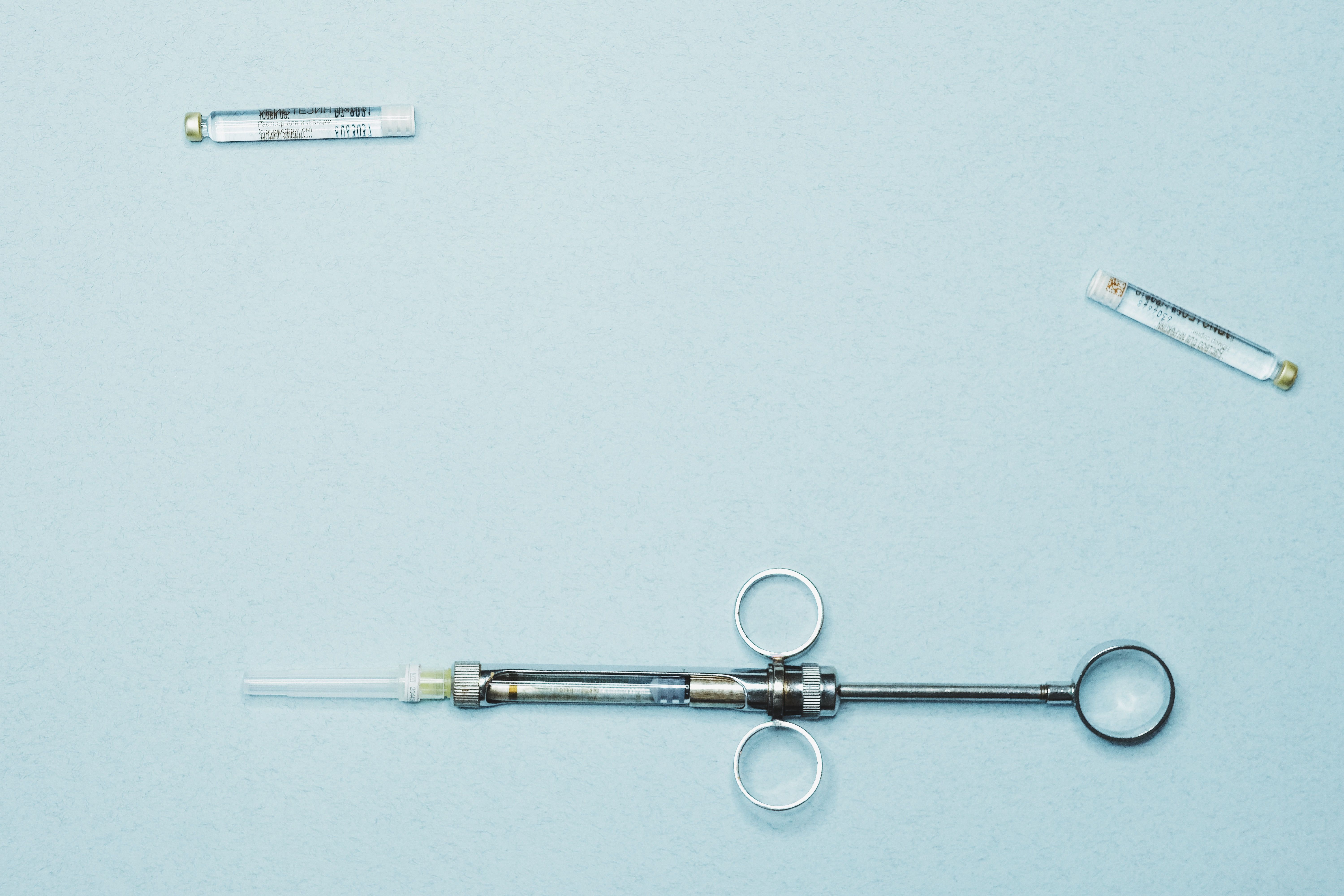
Surgical instruments are the backbone of any veterinary surgery. These tools come in various forms, each designed for specific tasks. Here are some of the most common surgical instruments used in veterinary practices:
- Scissors: Used for cutting tissues and sutures, there are many types, such as metzenbaum or mayo scissors, each suited for different purposes.
- Forceps: Essential for grasping and holding tissues. Different types include tissue forceps and hemostatic forceps, crucial for controlling bleeding.
- Scalpels: These are sharp knives used to make incisions in the skin and other tissues. They often feature a handle and detachable blades.
- Needle holders: Designed for holding needles while suturing, these are vital for ensuring precision during stitching.
- Surgical drapes: Used to cover the surgical site, providing a sterile environment to reduce the risk of infection.
Anesthesia Equipment
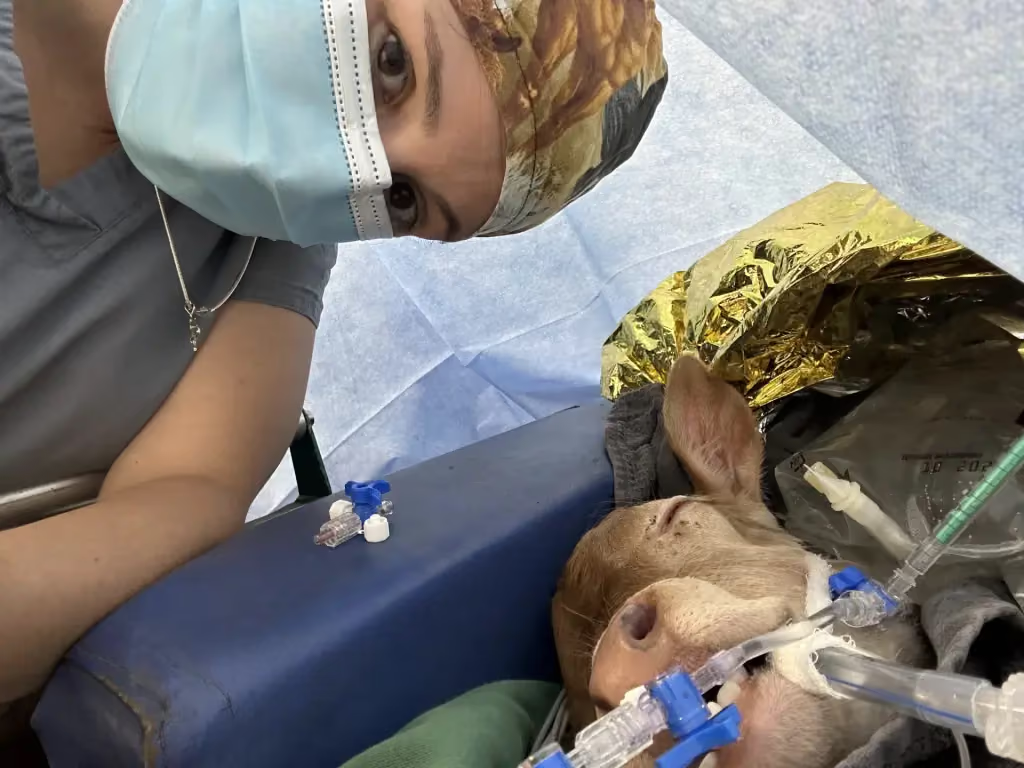
Anesthesia is a critical component of surgical procedures. The right anesthesia equipment ensures that animals remain unconscious and pain-free during surgery. Key elements include:
- Anesthesia machines: Deliver and monitor anesthetic gases, ensuring the animal receives the right dosage.
- Monitoring devices: Include heart rate monitors, pulse oximeters, and capnometers to keep track of a patient’s vital signs throughout the procedure.
Diagnostic Tools
Before surgery can be performed, adequate diagnostics are necessary to understand the animal’s health conditions. Various diagnostic tools can enhance a veterinary practice’s capabilities:
- Imaging technology: X-rays, MRI, and CT scans provide a clear view of internal structures, aiding in diagnosis.
- Endoscopy equipment: Allows veterinarians to visualize the internal organs via a small camera, facilitating diagnosis and certain minimally invasive procedures.
- Ultrasound machines: Useful for evaluating soft tissue structures, especially in emergencies.
Surgical Tables and Lighting
Surgical tables and proper lighting play a vital role in the success of veterinary surgeries. A well-designed surgical table provides comfort and stability, while adequate lighting is crucial for visibility during procedures. Key considerations include:
- Adjustable surgical tables: Ensure the veterinarian can position the animal appropriately for access and comfort.
- Types of surgical lighting: Proper lighting minimizes shadows and provides clear visibility, essential for delicate procedures.
Recovery and Monitoring Equipment
Post-operative care is just as crucial as the surgery itself. Recovery equipment aids in monitoring and ensuring the animal’s well-being after the procedure. Important items include:
- Post-operative monitoring devices: Keep track of the animal’s recovery process, ensuring vital signs are stable.
- Recovery cages and beds: Designed for comfort and security during the healing process while reducing stress.
- Oxygen therapy equipment: Provides supplemental oxygen to animals who require it post-anesthesia.
Investing in quality veterinary surgical equipment is essential for any veterinary practice aiming to provide the best care. Choosing the right tools not only improves surgical outcomes but also enhances the overall efficiency and reputation of the practice.
Maintenance and Care of Veterinary Surgical Equipment
Proper maintenance and care of veterinary surgical equipment are essential to ensure not only the longevity of the tools but also the safety and effectiveness of the procedures performed. Regular upkeep helps to prevent equipment failure and maintain the highest standards of hygiene and functionality.
Cleaning Protocols
One of the most critical aspects of maintaining veterinary surgical equipment is adhering to stringent cleaning protocols. The following steps are commonly recommended:
- Immediate cleaning post-surgery: Clean instruments immediately after use to prevent blood and tissue buildup.
- Use of appropriate disinfectants: Select disinfectants that are suitable for veterinary instruments and ensure they are effective against pathogens.
- Ultrasonic cleaning: This method can effectively remove debris from hard-to-reach areas on surgical tools.
Regular Maintenance Schedules
Establishing a routine maintenance schedule is vital. Key tasks include:
- Inspection: Regularly inspect equipment for signs of wear and damage, ensuring that tools remain sharp and functional.
- Calibration: For devices such as anesthesia machines, routine calibration ensures accurate readings and dosages.
- Replacement of worn parts: Timely replacement of parts that show signs of wear helps maintain the equipment’s optimal performance.
Importance of Quality Assurance
Quality assurance is paramount in veterinary practices. The benefits of maintaining high-quality standards include:
- Enhanced surgical outcomes: Well-maintained tools contribute to successful surgeries with fewer complications.
- Increased safety: Properly functioning equipment reduces the risk of accidents during procedures.
- Compliance with regulations: Following maintenance protocols helps ensure compliance with veterinary regulations and standards.
Investing time and resources into the maintenance of veterinary surgical equipment not only promotes efficient practice but also firmly establishes a commitment to the welfare of the animals being treated.
Investing in Quality Veterinary Surgical Equipment
Investing in high-quality veterinary surgical equipment is crucial for any veterinary practice aiming to provide exceptional care. The right tools enhance surgical precision, improve patient safety, and facilitate better outcomes. Here are some important factors to consider when choosing your veterinary surgical equipment.
Factors to Consider When Purchasing
- Quality and Reliability: Look for equipment that meets industry standards and is known for reliability. High-quality tools reduce the risk of malfunction during critical procedures.
- Functionality: Ensure the equipment has the necessary features to accommodate the specific needs of your practice. For instance, multi-functional anesthesia machines can provide more versatility in different types of surgeries.
- Ease of Use: Equipment that is user-friendly can enhance workflow and reduce the learning curve for staff. Look for ergonomic designs and intuitive interfaces.
- Vendor Reputation: Partner with reputable suppliers that offer excellent support and warranty services. This can be crucial in emergencies or when maintenance is needed.
Balancing Cost and Quality
While budget constraints are an important consideration, compromising on quality can lead to increased long-term costs due to repairs, replacements, or poor surgical outcomes. Here are tips to find the right balance:
- Evaluate the return on investment (ROI): Higher initial costs can lead to fewer complications and better results, which may save money in the long run.
- Consider financing options: Many suppliers offer financing plans that make it easier to invest in quality equipment without straining your budget.
- Research discounts or refurbished items: Refurbished equipment may provide reliable performance at a lower cost, as long as it meets safety standards.
Potential Long-term Savings and Benefits
Investing in quality veterinary surgical equipment can lead to significant long-term savings and a host of benefits, such as:
- Enhanced surgical outcomes: Quality tools improve accuracy and reduce the risk of complications during surgeries.
- Increased patient safety: Reliable equipment can help ensure that procedures are performed safely, decreasing the likelihood of post-operative issues.
- Improved reputation: A practice known for using top-tier equipment can enhance its reputation, attracting more clients and leading to business growth.
By carefully selecting and investing in the right veterinary surgical equipment, practices can enhance their operational efficiency, ensure animal safety, and ultimately provide better care to their patients.
Conclusion
In conclusion, understanding and investing in quality veterinary surgical equipment is essential for delivering effective and safe veterinary care. The right tools not only enhance surgical outcomes but also improve the overall efficiency of veterinary practices. Whether you’re just starting your veterinary practice or looking to upgrade your current equipment, paying attention to the quality and functionality of surgical tools is critical.
Recap of Essential Veterinary Surgical Equipment
Throughout this discussion, we’ve highlighted key components that make up essential veterinary surgical equipment, including:
- Surgical instruments like scissors and forceps for precise operations.
- Anesthesia machines that ensure patient comfort and safety during procedures.
- Diagnostic tools that aid in accurate assessments before surgery.
- Recovery equipment that supports animals post-operation.
Importance of Proper Tools for Successful Outcomes
Using reliable, high-quality veterinary surgical equipment can dramatically impact surgical success rates and overall patient well-being. Consistent investment in the best tools available fosters an environment where animals receive the highest level of care and support.
Encouragement to Continually Evaluate and Upgrade Equipment
Veterinary medicine is an evolving field, with continuous advancements promising better equipment and techniques. Regular evaluation of your surgical tools ensures they meet the current standards and best practices. Stay informed about new technologies and equipment options to maintain a competitive edge in your veterinary practice.
By prioritizing quality and reliability in veterinary surgical equipment, you can ensure that your practice not only meets but exceeds the expectations of your clients and provides the best possible care for their beloved pets.
Future Trends in Veterinary Surgical Equipment
The field of veterinary medicine is rapidly evolving, and advancements in technology continue to transform surgical practices. Staying informed about these future trends in veterinary surgical equipment is essential for veterinary professionals aiming to improve patient care and enhance operational efficiency.
Emerging Technologies
Several innovative technologies are emerging that promise to change the landscape of veterinary surgery:
- Robotic Surgery: Robotic-assisted surgical systems are becoming more prevalent, allowing greater precision and control during procedures. These systems enable minimally invasive surgeries, resulting in quicker recovery times for patients.
- Telemedicine Integration: Technology is enabling remote consultations, where veterinarians can assess patients and provide guidance during surgeries through video conferencing. This helps in educating pet owners and expanding the reach of specialists.
- 3D Printing: This technology is revolutionizing the way customized implants and models are created for planning surgeries. 3D-printed models allow veterinarians to better understand complex cases before the actual surgery.
Focus on Sustainability
The veterinary industry is becoming increasingly aware of sustainability. Future veterinary surgical equipment trends may include:
- Eco-friendly Materials: More equipment is being made from sustainable or recyclable materials, minimizing the ecological footprint of veterinary practices.
- Energy-efficient Devices: Innovations in anesthesia machines and lighting solutions that consume less energy are gaining traction, contributing to greener practices.
Enhanced Monitoring Systems
Advancements in monitoring systems are set to transform how veterinarians provide care during surgeries:
- Wearable Technology: Devices that monitor physiological parameters in real-time allow veterinarians to track patients’ vital signs more comprehensively during procedures.
- AI and Machine Learning: Integration of AI in monitoring equipment can lead to faster detections of anomalies, improving surgical decision-making and overall patient safety.
Embracing these trends in veterinary surgical equipment will not only enhance the effectiveness of surgical interventions but also contribute to better animal welfare, ultimately guiding the future of veterinary medicine.
Best Practices for Using Veterinary Surgical Equipment
Using veterinary surgical equipment effectively requires knowledge, training, and adherence to best practices. By following established guidelines, veterinarians can optimize their use of equipment, ensuring the safety of both the patients and the surgical team.
Training and Education
Ongoing training and education are vital for all veterinary staff involved in surgical procedures. This includes:
- Hands-on Workshops: Participating in practical workshops helps veterinary professionals familiarize themselves with the latest surgical instruments and equipment.
- Continuing Education Courses: Enrolling in courses that focus on surgical techniques, equipment usage, and technologies ensures that the team remains updated on advancements in the field.
- Collaborative Learning: Encouraging team discussions about past surgeries and equipment usage fosters a supportive learning environment where best practices are shared.
Proper Handling and Maintenance
Proper handling and maintenance of veterinary surgical equipment are critical to ensuring longevity and functionality. Key practices include:
- Routine Inspections: Regularly check equipment for wear and damage to maintain reliability and to identify any potential issues before they become critical.
- Correct Storage: Store instruments properly to prevent damage. Use designated trays and sterilization containers to keep tools organized and ready for use.
- Sterilization Protocols: Follow strict sterilization protocols to prevent infections. Utilize autoclaves or chemical sterilization, depending on the type of equipment.
Using Equipment Effectively
To make the most of veterinary surgical equipment, consider the following strategies:
- Familiarization with Equipment: Ensure that every staff member knows how to use each piece of equipment properly. This includes understanding settings, functions, and limitations.
- Team Coordination: Establish clear communication protocols among the surgical team to ensure everyone is aware of their roles during the procedure and how equipment should be utilized.
- Monitoring During Procedures: Continuously monitor the performance of equipment while in use, making adjustments as needed to ensure optimal functionality.
By implementing these best practices, veterinary professionals can ensure that they are utilizing surgical equipment to its fullest potential, ultimately leading to better surgical outcomes and improved patient care.
Selecting the Right Veterinary Surgical Equipment for Your Practice
Choosing the appropriate veterinary surgical equipment is crucial for optimizing surgical outcomes and ensuring the safety of both patients and the surgical team. Here are key considerations and steps to help veterinary professionals make informed decisions when selecting surgical tools.
Assessing Your Practice Needs
Before investing in surgical equipment, evaluate the specific needs of your veterinary practice:
- Types of Procedures Offered: Assess which types of surgeries you perform most frequently (e.g., orthopedic, soft tissue) to determine the essential instruments required.
- Patient Demographics: Consider the size and species of animals treated. For example, larger animals may require more specialized equipment than smaller pets.
- Technological Advancements: Stay updated on recent advancements in veterinary surgical equipment that could enhance the quality of care you provide.
Budgetary Considerations
Budget constraints are often a significant factor in equipment selection. Here are some guidelines to help manage costs effectively:
- Prioritize Essentials: Focus on acquiring the most critical instruments first, then gradually add specialized tools as your practice grows.
- Research Financing Options: Many suppliers offer financing plans that allow you to spread costs over time, making quality equipment more accessible.
- Consider Refurbished Equipment: Look into reputable suppliers offering refurbished surgical equipment that meets safety and quality standards without the new price tag.
Supplier Reputation and Support
Choosing a trusted supplier can make a significant difference in the quality of veterinary surgical equipment you acquire:
- Check Reviews and References: Look for suppliers with positive reviews and testimonials from other veterinary practices.
- Evaluate Customer Support: Ensure that the supplier offers reliable customer service, including assistance with maintenance and repairs.
- Warranty and Return Policies: Review the warranty terms and return policies to protect your investment.
By carefully assessing your needs, considering budgetary factors, and partnering with reputable suppliers, you can ensure that your practice is equipped with the right veterinary surgical equipment to deliver exceptional care.
Case Studies: Innovations in Veterinary Surgical Equipment
Innovations in veterinary surgical equipment continue to transform the landscape of veterinary medicine, enabling more effective treatments and better patient outcomes. Examining real-world examples can help illustrate the impact of these advancements and guide future practices.
Case Study 1: Introduction of Robotic Surgery in Veterinary Practices
Robotic surgery has gained traction in veterinary medicine, allowing for greater precision and minimally invasive procedures.
- Enhanced Precision: Robotics enables veterinarians to perform intricate surgeries that require precise movements, reducing tissue trauma and recovery time for patients.
- Minimally Invasive Techniques: Robotic-assisted surgeries often involve smaller incisions, which can lead to quicker healing and less postoperative pain.
- Examples of Procedures: Common procedures include soft tissue repairs and orthopedic surgeries, where precision is critical.
The introduction of robotic surgery has shown promising results, leading to better surgical outcomes and increased client satisfaction.
Case Study 2: Use of 3D Printing for Surgical Planning
The integration of 3D printing technology in veterinary medicine has changed how surgical planning is approached.
- Custom Surgical Models: Veterinarians can create 3D-printed models of a patient’s anatomy before surgery, allowing for thorough pre-surgical planning.
- Tailored Implants: Custom implants can be designed and printed specifically for individual patients, improving fit and functionality during recovery.
- Time-Saving: These models can help reduce surgery time, as veterinarians are better prepared for the specific challenges posed by each case.
The use of 3D printing has demonstrated increased efficiency in the surgical process, leading to better patient care.
Case Study 3: Advanced Monitoring Systems
Advancements in monitoring systems have significantly enhanced patient safety during surgeries.
- Real-Time Data: Modern monitoring devices provide continuous data on a patient’s vital signs, such as heart rate, oxygen saturation, and blood pressure.
- AI-Powered Alerts: Some systems utilize artificial intelligence to provide immediate alerts for abnormalities, allowing veterinarians to respond more promptly to potential issues.
- Improved Patient Outcomes: Enhanced monitoring capabilities contribute to higher success rates for surgeries by facilitating timely interventions.
Veterinary practices that have adopted advanced monitoring systems report lower complication rates post-surgery.
These case studies highlight the transformative impact of innovations in veterinary surgical equipment and emphasize the importance of staying informed about emerging technologies to continuously improve animal care.
The Role of Veterinary Surgical Equipment in Emergency Situations
In emergency veterinary medicine, time is of the essence, and having the right surgical equipment readily available can make a critical difference in patient outcomes. Understanding the role that veterinary surgical equipment plays during emergencies can help veterinary practices prepare more effectively.
Timely Access to Essential Instruments
During emergencies, quick access to essential surgical equipment is vital. Key instruments include:
- Scalpel and Scissors: Essential for making incisions and cutting through tissues when time is crucial.
- Hemostatic Forceps: These instruments are crucial for controlling bleeding during urgent surgical intervention.
- Needle Holders and Sutures: Necessary for closing wounds, especially in traumatic cases where the integrity of the tissue is compromised.
Being equipped with these fundamental tools allows veterinarians to act swiftly, effectively managing life-threatening situations.
Advanced Anesthesia and Monitoring Equipment
Effective anesthesia management is critical during emergency surgeries to ensure patient safety. Features of sophisticated anesthesia systems include:
- Real-Time Monitoring: Monitoring devices provide continuous updates on the patient’s vital signs, allowing for quick adjustments to anesthetic levels.
- Anesthetic Gas Delivery Systems: Advanced machines enable precise delivery of anesthetic agents, customized to fit the specific needs of emergency patients.
Moreover, having the best monitoring equipment can help veterinarians identify potential complications early, improving the overall outcome of the surgery.
Postoperative Care Equipment
After an emergency surgery, thorough monitoring and supportive care are essential for recovery. Key pieces of equipment include:
- Recovery Cages: Designed to keep animals calm and safe as they awaken from anesthesia in a controlled environment.
- Oxygen Therapy Equipment: Providing supplemental oxygen during recovery can be crucial for patients with compromised respiratory function.
By ensuring that veterinary surgical equipment for postoperative care is available, veterinary teams can facilitate a smoother recovery process for patients.
For more resources and guidelines on emergency veterinary surgical equipment, the American Veterinary Medical Association (AVMA) offers comprehensive information.
In conclusion, the right veterinary surgical equipment not only aids in swift interventions during emergency situations but also supports overall patient care and recovery. Prioritizing access to these essential tools ensures that veterinary teams can provide life-saving treatments effectively and efficiently.
What types of veterinary surgical equipment are essential for a practice?
Essential veterinary surgical equipment includes basic surgical instruments such as scissors, forceps, scalpels, and needle holders. Additionally, anesthesia machines, monitoring devices, and recovery tools like oxygen therapy equipment are vital for ensuring patient safety and effective surgical outcomes.
How often should veterinary surgical equipment be maintained?
Veterinary surgical equipment should be maintained regularly, ideally after each use. Routine inspections, cleaning, and sterilization processes should be followed to ensure instruments are in optimal working condition, while regular evaluations contribute to long-term reliability and compliance with safety standards.
What factors should I consider when purchasing veterinary surgical equipment?
When purchasing veterinary surgical equipment, consider factors such as the types of procedures performed, the size and needs of your patient demographic, budgetary constraints, and the reputation of the supplier. Additionally, it’s important to evaluate the equipment’s quality, functionality, and the availability of customer support.
How can new technology improve veterinary surgical equipment?
New technology enhances veterinary surgical equipment by introducing innovations such as robotic surgery systems, 3D printing for custom implants, and advanced monitoring devices that utilize AI for real-time data analysis. These advancements lead to more precise surgeries, shorter recovery times, and improved patient outcomes.
Where can I find reliable veterinary surgical equipment suppliers?
Reliable veterinary surgical equipment suppliers can often be found through recommendations from professional associations, online veterinary forums, and personal referrals from colleagues. Reputable companies such as Patterson Veterinary, Henry Schein Veterinary Solutions, and Zoetis provide comprehensive catalogs and support for veterinary practices.