


In the dynamic field of veterinary medicine, mastering essential US medical anesthesia technology for vets has become a fundamental requirement for ensuring the safety and well-being of animal patients. Did you know that improper calibration of anesthesia machines can lead to severe complications during surgical procedures, highlighting the critical nature of this process? With the rapid advancement of anesthesia technology, staying informed about best practices, regulatory compliance, and innovative solutions is essential for veterinary practitioners. This blog post explores the intricacies of the anesthesia machine calibration process, equipping you with the knowledge needed to enhance patient care and optimize your veterinary practice.
Understanding the Importance of Anesthesia Calibration in Veterinary Medicine
Veterinary anesthesia plays a crucial role in ensuring the safety and comfort of animals undergoing surgical procedures. Proper calibration of anesthesia machines is vital for accurate drug delivery and monitoring of vital signs during surgeries.
Calibration is the process of adjusting and fine-tuning anesthesia machines to ensure they deliver precise doses of anesthetic agents. Any discrepancies in dosing can have serious consequences, including complications during procedures or delayed recovery times for patients.
The Role of Calibration in Veterinary Anesthesia
The calibration of anesthesia machines contributes to:
- Patient Safety: Ensures animals receive the correct dosage, minimizing the risk of overdose or underdose.
- Accurate Monitoring: Allows for reliable tracking of vital signs—such as heart rate, blood pressure, and oxygen levels—during procedures.
- Effective Pain Management: Helps ensure that the appropriate level of anesthesia is maintained, providing optimal comfort for the patient.
Why Accuracy Matters for Patient Safety
In veterinary medicine, accurate anesthesia is non-negotiable. Anesthesia mismanagement can lead to severe complications such as respiratory failure or prolonged recovery. Regularly calibrating anesthesia machines can greatly enhance:
- Consistency in Drug Delivery: Avoids the risk of fluctuating anesthesia levels.
- Better Surgical Outcomes: Reduces the likelihood of adverse effects during and after surgery.
- Enhanced Veterinarian Confidence: Vet teams can perform procedures with peace of mind, knowing their equipment is reliable.
Regular calibration is just one aspect of ensuring quality in the use of essential US medical anesthesia technology for vets. It creates a safer environment for both the animals and the veterinary staff, ensuring that the highest standards of care are maintained.
Overview of Essential US Medical Anesthesia Technology for Vets
In the evolving landscape of veterinary medicine, the adoption of cutting-edge anesthesia technology is paramount. Understanding the various types of anesthesia machines and their features can greatly enhance surgical practices.
Types of Anesthesia Machines Used in Veterinary Practices
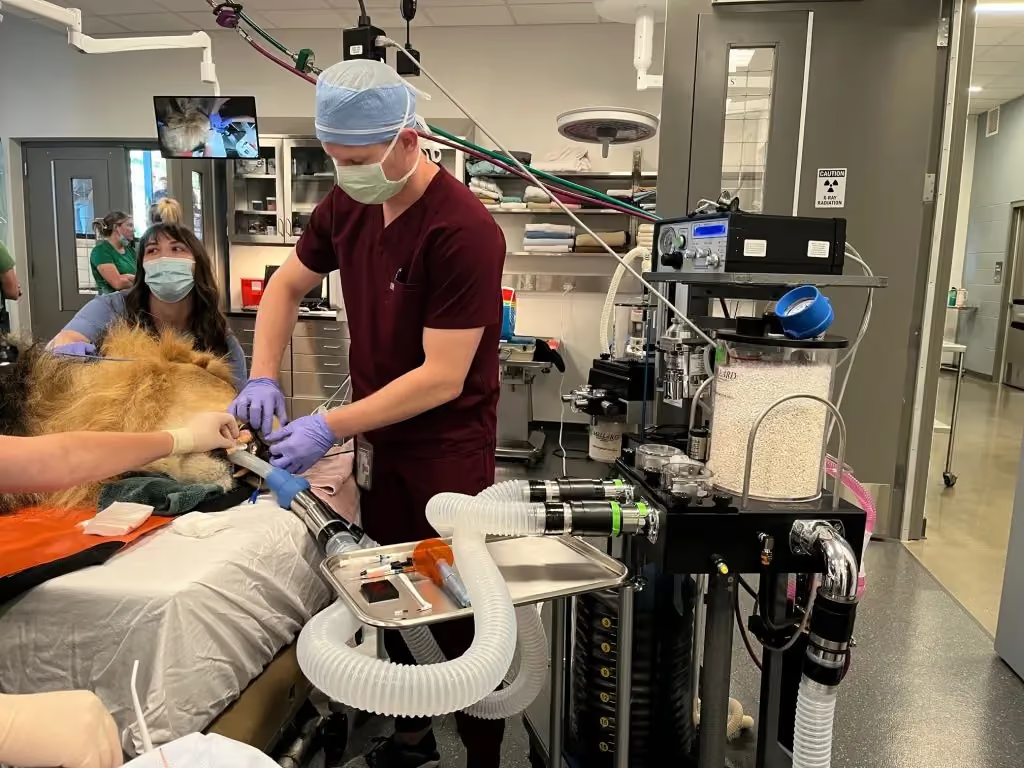
Veterinary practices utilize a range of anesthesia machines, each tailored to meet the specific needs of different species and surgical requirements. Here are the main types:
- Isoflurane Vaporizer Machines: Commonly used for their quick onset and ease of control, ensuring safe anesthesia for a variety of animals.
- Sevoflurane Anesthesia Machines: Popular for their rapid recovery times, making them ideal for outpatient procedures.
- Portable Anesthesia Machines: Designed for field use, perfect for mobile veterinary services or emergencies.
- Multi-function Anesthesia Machines: Equipped with multiple features such as ventilators, monitors, and alarms, ensuring comprehensive patient management.
Key Features of Modern Veterinary Anesthesia Machines
The latest models of anesthesia machines come equipped with advanced technology that elevates their functionality and reliability. Important features to look for include:
- Integrated Monitoring Systems: Allow for real-time tracking of vital signs like heart rate, respiratory rate, and blood oxygen saturation.
- User-Friendly Interfaces: Simplify operation for veterinary staff, enhancing workflow efficiency during procedures.
- Built-in Safety Alarms: Alert practitioners to potential issues, ensuring prompt intervention when necessary.
- Precision Delivery Systems: Ensure that anesthetic agents are dispensed accurately, tailored to the unique physiology of various animal species.
The integration of essential US medical anesthesia technology for vets fosters enhanced patient care, minimizes risks, and enables veterinarians to perform complex procedures with confidence.
The Calibration Process Explained
Calibrating anesthesia machines is fundamental in veterinary medicine to ensure accurate and safe delivery of anesthetic agents. A systematic calibration process not only safeguards patient well-being but also enhances the overall efficiency of surgical operations.
Step-by-Step Guide to Calibrating Anesthesia Machines
To achieve precise calibration, follow these essential steps:
- Gather Necessary Tools: Ensure that you have all required calibration tools, such as gas analyzers, testing kits, and calibration gases.
- Review Manufacturer Guidelines: Always consider the specific recommendations provided by the machine’s manufacturer as different machines may have unique calibration requirements.
- Perform Initial System Checks: Before calibration, check for any leaks, blockages, or other mechanical issues in the anesthesia machine.
- Calibrate Vaporizers: Adjust the vaporizer settings using calibration gases to confirm that they produce the correct concentrations.
- Test the Delivery System: Connect the machine to a test lung or simulator and verify that it delivers accurate flow rates and volumes.
- Record Calibration Data: Document the calibration results, including any adjustments made, for future reference and compliance.
Tools Needed for Accurate Calibration
Essential tools for effective calibration include:
- Gas Analyzers: Measure the concentrations of anesthetic gases in the delivery system.
- Flow Meters: Ensure that the machine delivers the appropriate flow rates.
- Test Lungs: Simulate patient conditions to verify the machine’s performance.
- Calibration Gases: Use known concentrations of gases for reliable calibrations.
Regular calibration is a critical component of utilizing essential US medical anesthesia technology for vets effectively. By adhering to calibration standards, veterinary practices can ensure optimal performance and safety in their anesthesia equipment. To learn more about best practices in veterinary anesthesia technology, consider visiting the Veterinary Anesthesia and Analgesia Support Group.
Common Challenges in Anesthesia Machine Calibration
While the calibration process is essential for safe and effective anesthesia delivery in veterinary practices, several challenges can arise that may affect accuracy and reliability. Understanding these challenges is crucial for maintaining high standards in surgical care.
Identifying Issues in the Calibration Process
Calibration challenges can often stem from various sources, including equipment malfunctions and human error. Some common issues include:
- Equipment Aging: Over time, anesthesia machines may degrade, leading to inaccurate readings and inconsistent performance.
- Environmental Factors: Variations in temperature and humidity can impact the calibration and functioning of anesthesia machines.
- User Error: Inexperienced staff may misinterpret readings or fail to follow correct procedures during the calibration process.
Troubleshooting Tips for Common Problems
To overcome calibration challenges effectively, consider these troubleshooting tips:
- Regular Equipment Maintenance: Schedule routine maintenance checks to identify and resolve potential issues before they affect calibration.
- Staff Training: Provide continuous education and training for veterinary staff on proper use and calibration of anesthesia machines.
- Keep Calibration Records: Maintain detailed records of previous calibrations, adjustments, and observed issues to assist in troubleshooting.
- Consult Manufacturer Support: Don’t hesitate to reach out to the manufacturer for guidance on specific calibration problems or for recommended solutions.
By addressing these challenges proactively, veterinary practices can ensure the effective use of essential US medical anesthesia technology for vets. This not only enhances the safety of surgical procedures but also improves overall patient outcomes.
Best Practices for Maintaining Calibration Standards
To ensure that anesthesia machines in veterinary practices operate with precision and reliability, adhering to best practices for maintaining calibration standards is essential. These practices can significantly enhance the effectiveness of the essential US medical anesthesia technology for vets.
Regular Maintenance Schedules
Establishing a consistent maintenance schedule is paramount for the upkeep of anesthesia machines. Consider the following recommendations:
- Daily Checks: Conduct routine inspections before each use to identify any visible issues, such as leaks or damaged components.
- Monthly Calibration: Set a monthly schedule for calibrating machines, even if they appear to be functioning well. This can help preemptively catch any drift in settings.
- Annual Comprehensive Review: Perform a more thorough inspection and calibration once a year, including a detailed examination of all machine aspects.
Importance of Training for Veterinary Staff
Properly trained staff play a vital role in maintaining calibration standards. Key training aspects include:
- Operational Training: Ensure that all users are well-versed in the specific operation of the anesthesia machines they will utilize.
- Calibration Procedures: Teach staff the correct calibration processes, emphasizing the importance of accuracy.
- Awareness of Updates: Keep staff informed about any changes in protocols or new technologies introduced in the field.
Documentation and Record-Keeping
Maintaining meticulous records can help streamline calibration processes and improve accountability:
- Keep Calibration Logs: Document each calibration session, including dates, equipment used, personnel involved, and any issues encountered.
- Establish Checklists: Utilize checklists during the calibration process to ensure that all necessary steps are completed.
- Review Historical Data: Regularly analyze past calibration records to identify trends or recurring problems.
By implementing these best practices for maintaining calibration standards, veterinary practices can maximize the reliability of essential US medical anesthesia technology for vets.
Regulatory Considerations and Compliance
Ensuring that veterinary anesthesia practices comply with regulatory standards is crucial for patient safety and operational integrity. Navigating the complex landscape of regulatory requirements can be challenging, but it is essential for utilizing essential US medical anesthesia technology for vets effectively.
Overview of Regulatory Standards for Veterinary Anesthesia
Different governing bodies set forth various standards and guidelines that veterinary practices must adhere to. Key regulations include:
- American Veterinary Medical Association (AVMA) Guidelines: Provides foundational standards for anesthesia practices in veterinary medicine.
- Occupational Safety and Health Administration (OSHA): Ensures safe working conditions for veterinary staff, including guidelines on handling anesthetic gases.
- State Veterinary Medical Boards: Each state may have unique regulations governing the administration of anesthesia and monitoring procedures.
Documentation and Record-Keeping for Calibration
Accurate record-keeping is not just a best practice; it is often a regulatory requirement. Consider the following documentation strategies:
- Calibration Records: Maintain comprehensive documentation of all calibration activities, including dates, results, personnel involved, and any maintenance performed.
- Inspection Reports: Keep records of any inspections conducted by regulatory bodies and any corrective measures taken subsequently.
- Compliance Audits: Perform regular internal audits to ensure ongoing compliance with regulations, and document outcomes for accountability.
Importance of Staying Informed
Regulations can change, and staying updated is important for compliance:
- Subscribe to Regulatory Updates: Sign up for alerts from relevant veterinary associations or regulatory bodies to remain informed about any new guidelines.
- Participate in Training Programs: Engage in continuing education opportunities focusing on compliance in veterinary anesthesia to ensure that all staff is knowledgeable about current regulations.
- Consult with Compliance Experts: When in doubt, seek assistance from experts who specialize in veterinary regulations to ensure your practice meets all necessary requirements.
By adhering to regulatory considerations and maintaining compliance, veterinary practices can confidently utilize essential US medical anesthesia technology for vets, ultimately enhancing patient safety and care quality. For more insights on veterinary compliance resources, visit the FDA Veterinary.
Future Trends in Veterinary Anesthesia Technology
As veterinary medicine continues to evolve, advancements in anesthesia technology bring new opportunities for enhanced patient care and improved surgical outcomes. Understanding these trends is essential for veterinary practices that wish to stay at the forefront of essential US medical anesthesia technology for vets.
Innovations in Anesthesia Machines
Emerging technologies are transforming the landscape of veterinary anesthesia. Notable innovations include:
- Smart Anesthesia Machines: These machines utilize artificial intelligence to monitor and adjust parameters automatically based on real-time data, improving dosing accuracy and patient safety.
- Remote Monitoring Solutions: Advanced telemetry systems allow veterinarians to monitor patients’ vital signs remotely, providing peace of mind during procedures.
- Integration with Electronic Health Records (EHR): Many modern anesthesia machines can seamlessly integrate with veterinary EHR systems for better data tracking, analysis, and patient management.
The Impact of Technology on Calibration Processes
The calibration of anesthesia machines is also becoming more streamlined through technology. Emerging trends include:
- Automated Calibration Systems: These systems can reduce human error and increase efficiency by performing automated calibrations at scheduled intervals.
- Mobile Applications: Apps designed for veterinarians can assist with real-time calibration logging and data access, making it easier to track calibration history and trends.
- Data Analytics: Utilizing big data and analytics can help veterinary practices optimize their anesthesia protocols and improve overall operational efficiency.
Training and Education Advancements
As technology evolves, so too must the knowledge and skills of veterinary staff:
- E-Learning Platforms: Online training modules and web-based seminars provide accessible education on the latest anesthesia technologies and best practices.
- Simulation Training: Virtual simulations can help veterinary staff practice emergency responses and refine their skills in a low-risk environment.
- Interdisciplinary Learning: Collaborations with tech companies and educational institutions can foster innovative training programs that incorporate the latest advancements in anesthesia technology.
By embracing these future trends in veterinary anesthesia technology, practices can leverage essential US medical anesthesia technology for vets to enhance both patient care and operational efficiency.
Conclusion
In conclusion, mastering the veterinary anesthesia machine calibration process is crucial for delivering high-quality care in veterinary practices. The integration of essential US medical anesthesia technology for vets not only enhances patient safety but also elevates the overall efficiency of surgical procedures.
Key Takeaways
- Calibration Matters: Regular and precise calibration of anesthesia machines is fundamental to ensuring accurate drug delivery and monitoring patients effectively.
- Adopt Best Practices: Implementing regular maintenance schedules, ongoing staff training, and meticulous documentation can significantly improve calibration outcomes.
- Stay Compliant: Understanding and adhering to regulatory standards is necessary for any veterinary practice using anesthesia technology.
- Embrace Innovation: Keeping abreast of emerging technologies and trends in veterinary anesthesia can position your practice for success, enhancing both patient care and operational efficiency.
By committing to these principles, veterinary practices can ensure they are utilizing the best anesthesia technology available, reinforcing their dedication to the well-being of the animals in their care. For further resources and information on veterinary anesthesia advancements, visit Boehringer Ingelheim.
FAQ
What is the importance of calibrating anesthesia machines in veterinary medicine?
Calibrating anesthesia machines is vital to ensure accurate dosing of anesthetic agents, which directly impacts patient safety and surgical outcomes. Proper calibration helps prevent overdoses or underdoses, ensuring that animals receive the correct amount of anesthesia needed for their specific procedures.
How often should anesthesia machines be calibrated?
Anesthesia machines should ideally be calibrated monthly, along with daily operational checks before each use. Additionally, a comprehensive annual review is recommended to ensure all components of the machine are functioning correctly and that calibration standards are met throughout the year.
What are some common challenges in the calibration process?
Common challenges in the calibration process include equipment aging, environmental factors like temperature and humidity affecting performance, and user errors due to insufficient training. Addressing these challenges proactively can help maintain the accuracy and reliability of anesthesia machines.
How can veterinary staff stay updated on regulatory requirements for anesthesia?
Veterinary staff can stay updated on regulatory requirements by subscribing to newsletters from organizations such as the American Veterinary Medical Association (AVMA), participating in continuing education programs, and attending seminars or workshops that focus on veterinary anesthesia and compliance.
What new technologies are shaping the future of veterinary anesthesia?
Emerging technologies such as smart anesthesia machines that leverage artificial intelligence for monitoring, remote monitoring solutions, and automated calibration systems are shaping the future of veterinary anesthesia. These advancements aim to improve patient safety and streamline the calibration process, enhancing overall operational efficiency in veterinary practices.