


In the fast-evolving field of veterinary medicine, the mobile station has emerged as an indispensable tool, streamlining the process of administering anesthesia during surgical procedures. Have you ever considered how maximizing efficiency can directly impact patient care? With increasing demands on veterinary practices, having a portable anesthesia solution allows veterinarians to address the unique needs of their patients effectively—whether in a bustling surgical suite or a confined examination room. As you navigate through the top choices and benefits of mobile stations, you’ll discover how these versatile systems not only enhance workflow but also significantly contribute to improved animal welfare.
Veterinary anesthesia is a crucial aspect of animal care, enabling veterinarians to perform surgeries and procedures while ensuring the safety and comfort of their patients. Anesthesia allows for pain management and immobilization, giving veterinarians the opportunity to focus on the procedure without the risk of distress or injury to the animal.
Understanding Veterinary Anesthesia and Its Importance
Key Components of Anesthesia Systems
In a veterinary setting, the effectiveness of anesthesia depends on several key components, including:
- Anesthetic Agents: The drugs used to induce and maintain unconsciousness or sedation.
- Delivery Systems: Devices that administer anesthetic gases to the animal, typically through a mask or endotracheal tube.
- Monitoring Equipment: Tools that track the animal’s vital signs (heart rate, oxygen levels, etc.) during the procedure.
What is a Mobile Station?
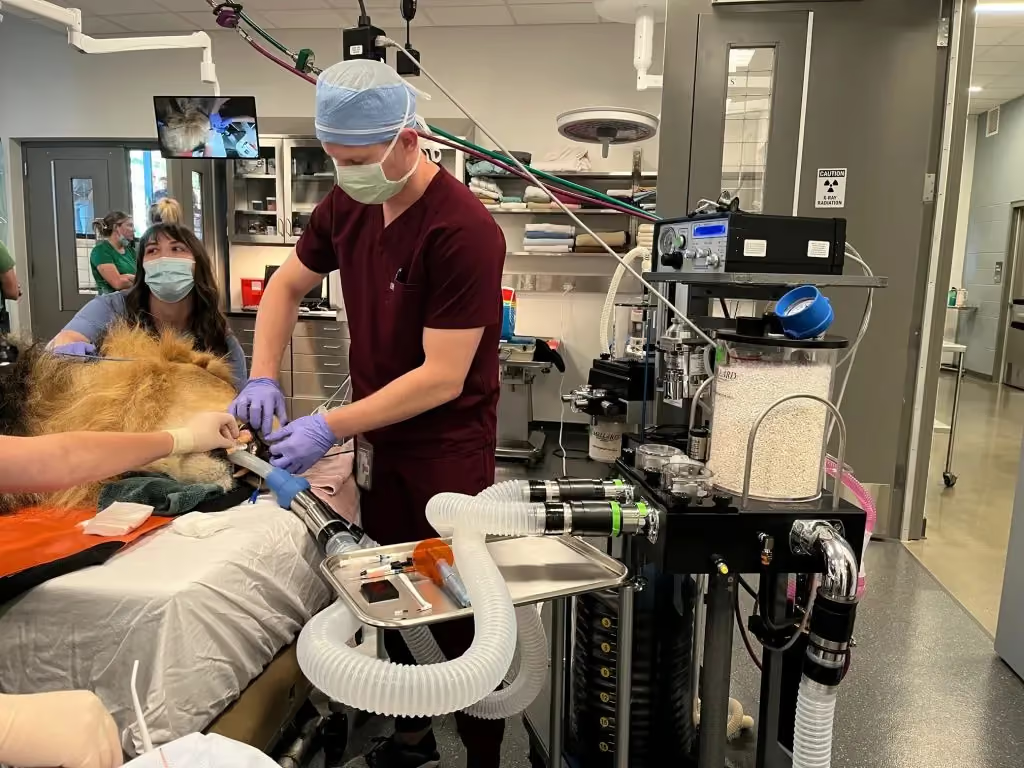
A mobile station in a veterinary context refers to a portable anesthesia unit designed to provide flexibility and convenience during surgical and procedural operations such as Mallard Medical’s 2200B small animal combo unit. These mobile stations can be moved easily around the veterinary facility, allowing for optimal space utilization and improved workflow.
Benefits of Using a Mobile Station in Veterinary Practices
The adoption of a mobile station offers several advantages for veterinary practices, such as:
- Enhanced Mobility: Easily transport the unit between different treatment rooms or outdoor settings.
- Space Efficiency: Ideal for facilities that have limited space or require flexible arrangements.
- Quick Setup: Enable immediate access to anesthesia equipment in emergencies, thereby improving patient outcomes.
- Integrated Systems: Many mobile stations offer compatibility with various monitoring and delivery systems.
Key Features to Consider When Choosing a Mobile Station
When selecting a mobile station, it’s important to assess the following features:
- Portability: Look for lightweight designs with easy-to-maneuver wheels.
- Integration Potential: Ensure it easily connects with existing veterinary equipment.
- User-Friendly Interface: Choose devices with clear displays and straightforward controls.
- Safety Features: Check for alarms and backup systems that enhance patient safety.
- Maintenance Support: Evaluate the manufacturer’s reputation for customer service and availability of parts.
Top Mobile Station Choices for Veterinary Anesthesia
In the market today, several models stand out when it comes to effectiveness, reliability, and user satisfaction. For a comprehensive overview of veterinary anesthesia models, you can visit Mallard Medical’s product page for both large and small portable units.
How to Make the Right Choice for Your Practice
Selecting the right mobile station for veterinary anesthesia is critical for ensuring efficient operations and optimal patient care. Here’s a guide to help you make the best decision tailored to your practice’s specific needs.
Assessing Your Practice’s Needs
Before committing to a mobile station, take a moment to evaluate your practice’s requirements:
- Type of Procedures: Understand the range of surgeries you perform and the necessary anesthesia support for each.
- Patient Size Diversity: Consider whether your mobile station needs to accommodate various animal sizes, from small pets to larger animals.
- Staff Expertise: Gauge the skill level of your staff and select a mobile station that aligns with their experience, ensuring usability without extensive training.
Considering Future Growth and Technology Advancements
Your mobile station should not only meet current demands but also be adaptable to future needs:
- Scalability: Choose a model that can expand its capabilities as your practice grows, whether by integrating new technology or accepting additional attachments.
- Technological Updates: Investigate whether the manufacturer offers software updates or add-ons that can enhance the unit over time.
Importance of Training and Support
Having the right mobile station is only part of the equation; proper training and ongoing support are equally essential:
- Manufacturer Support: Opt for companies known for robust customer service and technical support.
- Training Programs: Look into whether the manufacturer provides training sessions or resources for your staff to ensure effective use of the unit.
By taking these considerations into account, you will be well-equipped to select a mobile station that not only meets your current anesthesia needs but will also serve your veterinary practice effectively in the future.
Conclusion
In conclusion, selecting the right mobile station for veterinary anesthesia is a pivotal decision that can greatly influence both workflow efficiency and patient care quality. Considering the flexibility and functionality that a mobile station provides, it becomes easier to adapt to varying veterinary needs, especially in a dynamic practice environment.
Recap of Key Points
As we’ve discussed, here are the critical factors to keep in mind when choosing a mobile station:
- Understanding Your Practice Needs: Assess the types of procedures and patient sizes you typically handle.
- Evaluating Features: Focus on portability, integration capabilities, and safety measures.
- Future-Proofing Your Investment: Think about scalability and potential advancements in technology.
- Securing Adequate Support and Training: Ensure that the manufacturer offers comprehensive support and training options for your staff.
Final Thoughts on Mobile Stations
When selecting a mobile station, it’s essential to carefully weigh features, capabilities, and price against the specific needs of your veterinary practice. Investing in the right equipment can enhance operational efficiency and significantly improve patient care.
Understanding Veterinary Anesthesia and Its Importance
Veterinary anesthesia is essential for providing safe and effective surgical care to animals. It enables veterinarians to perform procedures with minimal discomfort and distress for the patient, ensuring a secure environment for both the animal and the veterinary staff.
Overview of Veterinary Anesthesia
Veterinary anesthesia involves a combination of medications and monitoring techniques to maintain an animal’s physical stability during surgery. Understanding its components can help practices optimize their anesthesia protocols and equipment, especially when using a mobile station.
Key Components of Anesthesia Systems
- Anesthetic Agents: Chemicals administered to induce unconsciousness or sedation in patients. Common agents include isoflurane and sevoflurane.
- Delivery Systems: Devices designed to administer anesthetic gases accurately and safely, which are crucial in mobile station setups.
- Monitoring Equipment: Tools to observe vital signs such as anesthesia depth, heart rate, and oxygen saturation throughout the procedure.
Importance of Effective Anesthesia
The proper application of anesthesia in veterinary medicine is vital for multiple reasons:
- Patient Safety: Adequate anesthesia minimizes the risk of pain and stress.
- Operational Efficiency: A well-managed anesthesia protocol enhances the workflow in veterinary clinics, allowing for more efficient multi-patient handling.
- Improved Outcomes: Effective pain management leads to better post-operative recovery, aiding the overall health of the animal.
Understanding these aspects is crucial for veterinary professionals when considering the incorporation of a mobile station. A reliable mobile station enhances anesthesia delivery and improves the overall surgical experience, directly impacting patient care quality.
What is a Mobile Station?
A mobile station in veterinary medicine refers to a portable anesthesia unit designed for flexibility and convenience in administering anesthesia during surgical procedures. Unlike traditional stationary setups, a mobile station allows for easy transport across different treatment areas, enhancing the ability to care for multiple patients efficiently.
Definition and Purpose of a Mobile Station
The primary purpose of a mobile station is to provide veterinary professionals with the necessary tools to deliver anesthesia safely and effectively, regardless of their location within the veterinary facility. This adaptability is especially beneficial for practices with limited space or those that require moving between different treatment rooms or outdoor settings.
Benefits of Using a Mobile Station in Veterinary Practices
Incorporating a mobile station into your veterinary practice brings several advantages:
- Enhanced Flexibility: Easily relocate the unit as needed, making it ideal for emergencies or varying patient needs.
- Space Optimization: Helps maximize the use of limited clinic space by allowing for quick setups in various areas.
- Streamlined Workflow: Reduces time spent moving equipment from one room to another, enhancing overall operational efficiency.
- Improved Animal Care: The ability to provide anesthesia in multiple settings ensures that all patients receive timely attention and care.
In addition to these benefits, mobile stations often come equipped with advanced features like integrated monitoring systems and user-friendly interfaces, which support veterinary professionals in delivering high-quality care with ease.
Frequently Asked Questions
What is a mobile station in veterinary anesthesia?
A mobile station in veterinary anesthesia refers to a portable anesthesia unit that allows veterinarians to administer anesthesia conveniently in different locations within a practice. This mobility enhances the ability to care for patients in various settings, making it easier to manage surgeries and procedures.
Why should I choose a mobile station over a traditional anesthesia system?
Choosing a mobile station offers flexibility and efficiency that traditional systems may lack. Mobile stations enable quick setup and relocation, which is particularly beneficial in practices with limited space or those that need to provide care in multiple areas, including outdoor environments.
What are the essential features of a quality mobile station?
A quality mobile station should include essential features such as a user-friendly interface, integrated monitoring systems, safety alarms, and portability. Additional functionalities like adjustable flow rates and compatibility with various anesthesia delivery systems also enhance its effectiveness in diverse clinical settings.
How does a mobile station improve workflow in a veterinary practice?
By allowing quick transitions between different work areas, a mobile station reduces the time spent setting up and transporting equipment. This leads to improved workflow, enabling veterinary teams to focus more on patient care and less on logistical challenges, ultimately enhancing overall operational efficiency.
What factors should I consider when purchasing a mobile station?
When purchasing a mobile station, consider factors such as your practice’s specific needs (type of procedures, patient sizes), budget, and the reputation of the manufacturer for reliability and support. Additionally, evaluating the training options available can also aid in ensuring your team can effectively use the equipment.