


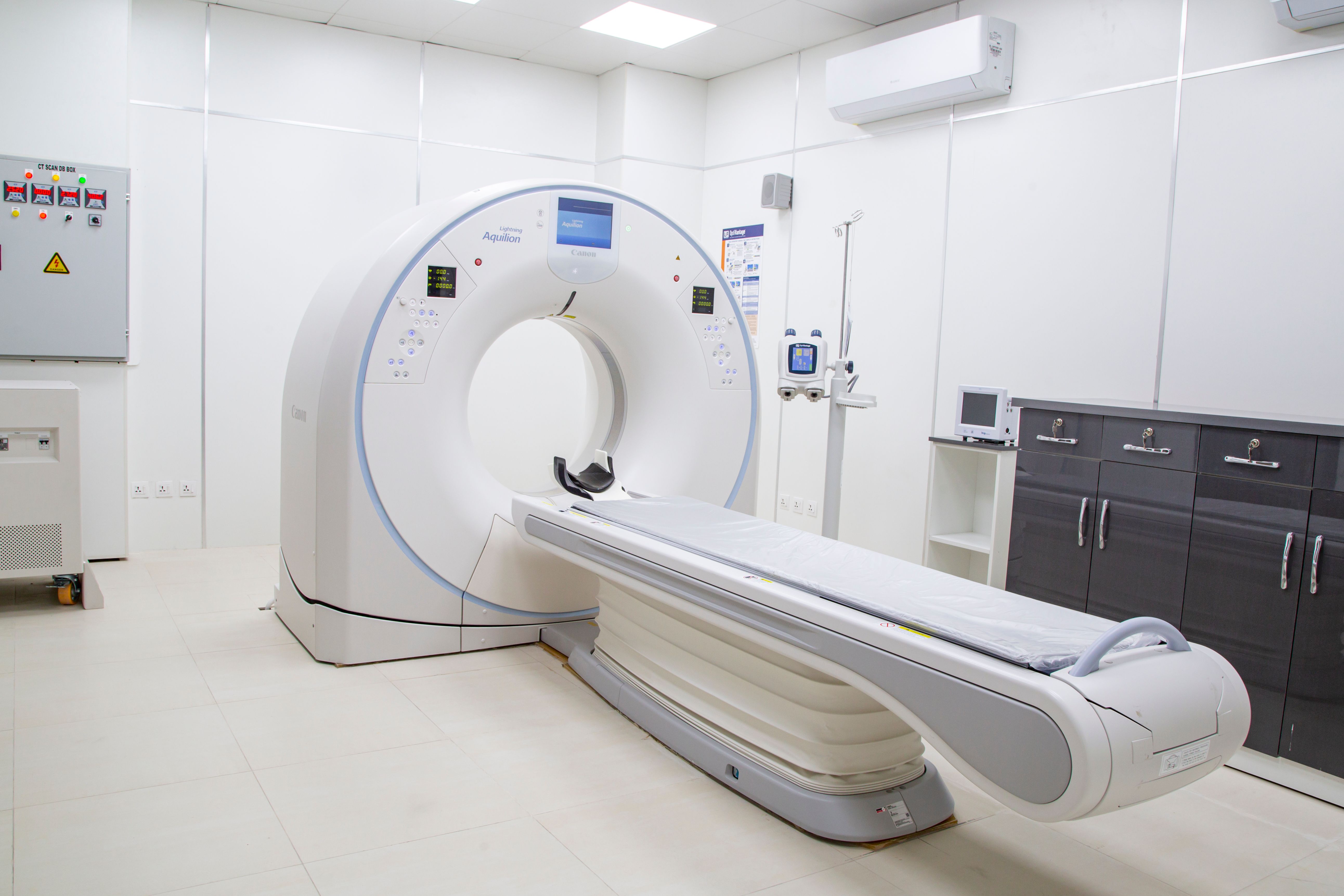

MRI equipment is revolutionizing the way veterinary practices diagnose and treat their animal patients, offering unparalleled imaging capabilities that traditional methods simply cannot match. Did you know that the detailed images produced by MRI machines can reveal critical information about soft tissues, organs, and even the nervous system, significantly improving diagnostic accuracy?
As pet owners increasingly seek advanced medical solutions for their furry companions, veterinary practices must consider investing in this cutting-edge technology. In this blog post, we will explore the different types of MRI equipment available, the benefits of incorporating this technology, and what to look for when making such an important investment for your practice.
Understanding MRI Equipment: The Basics
MRI equipment, or Magnetic Resonance Imaging equipment, is a crucial diagnostic tool used in veterinary medicine. By leveraging powerful magnetic fields and radio waves, MRI machines create detailed images of the internal structures of pets, enabling accurate diagnosis of various conditions.
The Importance of MRI in Veterinary Medicine
In veterinary practices, MRI offers several advantages over traditional imaging techniques such as X-rays or CT scans:
- Non-invasive: MRI allows for the examination of soft tissues without needing invasive procedures.
- High-resolution images: The detailed images provided by MRI equipment enhance the diagnostic process, particularly for complex conditions.
- Real-time imaging: Advanced MRI machines often provide real-time data, allowing veterinarians to make immediate clinical decisions.
Key Features to Consider in MRI Equipment
Choosing the right MRI equipment for your veterinary practice involves understanding several key features. Here are some important factors to consider:
- Image Quality: Higher magnetic field strengths (measured in Tesla) generally correlate with better image resolution.
- Patient Comfort: Equipment designed with larger openings or open configurations can help reduce anxiety in animals.
- Size and Portability: Depending on your practice, consider whether you need a fixed system or a portable solution.
- Compatibility with Existing Systems: Ensure the MRI equipment can integrate smoothly with your current technology.
- Software Features and Support: Choose a system that offers user-friendly software and reliable technical support.
By keeping these factors in mind, veterinary practices can select MRI equipment that meets their specific needs and improves patient outcomes.
Types of MRI Equipment for Veterinary Practices
When selecting MRI equipment for veterinary practices, it’s important to understand the different types available. Each type offers unique advantages depending on the specific needs of your practice and the types of cases you encounter.
Closed MRI Systems
Closed MRI systems are the most common type available and are known for their high-quality imaging capabilities. These systems feature a cylindrical design with a powerful magnet that provides detailed images of internal structures.
- High image resolution: Ideal for complex cases, including those involving the brain and spine.
- Versatile: Can be used for a variety of animals, from small pets to larger breeds.
Open MRI Systems
Open MRI systems are designed with larger openings, making them more comfortable for anxious or claustrophobic animals.
- Reduced anxiety for patients: The open design helps improve patient comfort during procedures.
- Slightly lower resolution: While they may not achieve the same image quality as closed systems, advancements continue to improve their resolution and effectiveness.
Extremity MRI Systems
These specialized systems focus on imaging limbs and joints of animals. Extremity MRI systems are often smaller and designed specifically for targeting specific areas.
- Compact design: Easier to accommodate in smaller practices.
- Cost-effective option: A great choice for practices that predominantly assess orthopedic conditions.
Mobile MRI Units
For practices that may not have the space for a fixed MRI system, mobile MRI units offer a flexible solution.
- On-demand access: Provides MRI services without the need for permanent installation.
- Great for multiple locations: Ideal for practices that operate in several locations or need to share resources with other veterinary clinics.
By understanding these different types of MRI equipment, veterinary practices can better assess which option aligns with their diagnostic needs and patient population.
Top MRI Equipment Brands in Veterinary Medicine
Choosing the right MRI equipment for your veterinary practice is heavily influenced by the brand you decide to partner with. Several companies have established themselves as leaders in the market, offering reliable and innovative MRI machines tailored for veterinary use.
Overview of Leading Brands
Here are some of the top brands in MRI equipment when it comes to veterinary applications:
- Siemens Healthineers
- Known for their advanced imaging technology, Siemens offers a range of MRI systems that feature high-resolution imaging and user-friendly interfaces.
- Their veterinary-focused models provide exceptional support for complex diagnostic needs.
- Philips Healthcare
- Philips is renowned for its innovative approach to medical imaging, including MRI equipment designed specifically for veterinary practices.
- Their systems often incorporate advanced software and features aimed at improving patient comfort.
- GE Healthcare
- GE’s MRI machines are known for their versatility and high-quality imaging, capable of handling a variety of animal sizes and conditions.
- The brand is recognized for its strong after-sales support and service options.
- Hitachi Medical Systems
- Hitachi specializes in open and extremity MRI systems, making them an excellent choice for practices focused on less invasive imaging techniques.
- Their equipment is often easier to integrate into smaller clinical spaces.
Comparison of Features and Pricing
When evaluating different MRI equipment brands, consider the following features and areas of comparison:
- Image Quality: High field strength typically results in better images.
- Size and Portability: Consider whether you need a compact or mobile solution.
- Patient Comfort Features: Look for larger openings or customizable settings to accommodate different animals.
- Software Capabilities: Advanced software for image processing can enhance functionality.
- Cost: While price can vary widely, consider the long-term value and support each brand offers.
By comparing these aspects, veterinary practices can make informed decisions when investing in MRI equipment.
The Benefits of Investing in MRI Equipment
Investing in MRI equipment provides veterinary practices with a significant competitive advantage in diagnosing and treating animal conditions. Understanding the benefits can help practices recognize the importance of this investment for their operations and patient care.
Enhanced Diagnostic Capabilities
- Detailed Imaging: MRI equipment offers high-resolution images of soft tissues, organs, and the nervous system, leading to more accurate diagnoses.
- Non-invasive Method: Unlike some other imaging techniques, MRIs do not require sedation or invasive procedures, making them safer for patients.
Increased Case Load and Revenue
- Attracting New Clients: Offering advanced imaging solutions can draw in pet owners seeking thorough and cutting-edge care for their animals.
- Higher Revenue Potential: With better diagnostic tools, practices can effectively manage more complex cases, leading to increased consultation and treatment fees.
Improved Patient Outcomes
- Early Detection: The ability to spot conditions at an earlier stage can lead to quicker and more effective treatment, ultimately enhancing the overall health of veterinary patients.
- Tailored Treatment Plans: MRIs help in understanding the precise nature of an ailment, allowing veterinarians to develop targeted treatment plans that can significantly improve the chances of recovery.
Long-Term Cost Savings
- Reducing Referral Fees: Investing in in-house MRI equipment reduces the need to refer clients to external facilities, saving costs and strengthening client relationships.
- Enhanced Workflow: Streamlined imaging processes can lead to increased efficiency within the practice, reducing the time and cost associated with diagnostics.
By recognizing these benefits, veterinary practices can make informed decisions about investing in MRI equipment that enhances their service offerings and better serves their animal patients.
Maintenance and Support for MRI Equipment
Proper maintenance and ongoing support are crucial for ensuring the longevity and effectiveness of MRI equipment in veterinary practices. Understanding these aspects can help ensure that your investment remains reliable and produces accurate imaging results.
Routine Maintenance Practices
Regular maintenance activities are vital to keep MRI machines functioning optimally. Here are some recommended practices:
- Scheduled Inspections: Conduct regular inspections as per manufacturer guidelines to identify any potential issues early.
- Cleaning Procedures: Ensure that the MRI equipment is kept clean, specifically the coils and surface areas, to prevent any interference with imaging quality.
- Calibration Checks: Periodically recalibrate the machine to maintain image accuracy and consistency.
Finding Reliable Service Providers
Engaging with professional service providers is essential for maintaining MRI equipment. Consider the following when selecting a service partner:
- Experience and Expertise: Choose a provider with specific experience in veterinary MRI equipment to ensure they understand the unique requirements of your machines.
- Service Agreements: Look for comprehensive service agreements that cover routine maintenance, emergency repairs, and software updates.
- Response Time: Ensure the service provider can offer quick response times for any issues that may arise, minimizing downtime in your practice.
Importance of Technician Training
Training your staff on how to operate and maintain MRI equipment effectively is crucial for optimal performance. Areas of focus should include:
- Operational Procedures: Educate technicians on how to properly operate the MRI system, enhancing imaging accuracy and patient safety.
- Basic Troubleshooting: Provide training on troubleshooting some common issues to reduce reliance on external service providers for minor problems.
- Safety Protocols: Ensure all staff are aware of safety protocols and imaging procedures to protect both patients and operators.
By prioritizing maintenance, support, and staff training for MRI equipment, veterinary practices can maximize their diagnostic capabilities and ensure high-quality patient care. For more insights on proper maintenance procedures, visit Animal Scan.
Future Trends in MRI Equipment for Veterinary Practices
As technology continues to advance, the future of MRI equipment in veterinary practices is evolving rapidly. Understanding these emerging trends can help veterinary professionals stay ahead of the curve and make informed decisions about their practice’s imaging capabilities.
Innovations in MRI Technology
The MRI equipment landscape is seeing several exciting innovations, including:
- Higher Field Strengths: New models are being developed with increased magnetic field strengths (3T and higher), providing even more detailed imaging capabilities.
- Artificial Intelligence Integration: AI-powered software is beginning to assist in image analysis, enabling veterinarians to make quicker and more accurate diagnoses.
- Portable MRI Solutions: Developments in portable and compact MRI systems make it possible for practices with limited space to offer advanced imaging services.
How Telemedicine and Remote Diagnostics Are Integrating with MRI
The rise of telemedicine has led to the integration of MRI equipment with remote diagnostic capabilities. This trend offers several advantages:
- Remote Consultation: Veterinary specialists can evaluate MRI images in real-time, allowing for faster consultations and decision-making.
- Increased Accessibility: Smaller practices can collaborate with larger veterinary hospitals, utilizing their advanced MRI equipment without needing their own.
Predictions for the Next Decade in Veterinary Imaging
As the veterinary landscape evolves, several predictions can be made regarding the future of MRI equipment:
- Wider Adoption of MRI Technology: As costs decrease and technology improves, more veterinary practices will adopt MRI equipment, leading to improved animal healthcare across the board.
- Focus on Sustainable Practices: Companies are expected to develop more energy-efficient MRI systems in response to environmental concerns.
- Enhanced Training and Support: The industry may see increased emphasis on continuing education for veterinarians and staff regarding the latest imaging technologies and best practices.
By staying informed about these trends, veterinary practices can better prepare for the future of MRI equipment and leverage new technologies to improve patient care.
Conclusion: Making the Right Choice in MRI Equipment
Investing in MRI equipment is a significant decision for veterinary practices. The right equipment not only enhances diagnostic capabilities but also improves patient outcomes and increases overall practice efficiency. As veterinarians evaluate their options, there are several key considerations to keep in mind.
Summary of Key Points
- Understand Your Needs: Assess the specific imaging needs of your practice and tailor your choice of MRI equipment accordingly, whether it be a closed, open, or extremity MRI system.
- Compare Leading Brands: Familiarize yourself with the top brands in the market, such as Siemens, Philips, GE Healthcare, and Hitachi, to find equipment that meets your technical and budgetary requirements.
- Prioritize Maintenance and Support: Choose MRI equipment that offers strong after-sales support and training options to ensure your staff can operate and maintain the machinery effectively.
- Stay Updated on Trends: Keep an eye on emerging technologies and industry trends to ensure your practice remains competitive and can offer the best possible care for your patients.
Final Recommendations for Veterinary Practices
When making the decision to invest in MRI equipment (such as MRI Machines or compatible equipment like Mallard Medical’s), consider the long-term benefits it will bring to your practice. Prioritize patient comfort and safety, and ensure that staff is trained adequately to utilize the technology effectively. By making informed choices, veterinary practices can significantly enhance their diagnostic capabilities and improve overall patient care.
Understanding the Financial Implications of MRI Equipment
Investing in MRI equipment for your veterinary practice is not only a technical decision but also a financial one. Understanding the various costs involved and potential return on investment (ROI) will aid in making an informed choice that aligns with your practice’s goals.
Initial Investment Costs
The initial purchase price of MRI equipment can vary significantly based on several factors:
- Type of MRI System: Closed, open, and extremity MRI systems have different price points, with closed systems generally costing more due to their advanced technology.
- Brand and Model: Established brands may come at a premium, but they often provide better reliability and service support.
- Installation and Setup: Additional costs may include site preparation, installation, and configuration by professionals.
Ongoing Operational Costs
Beyond the initial investment, there are ongoing costs to consider, such as:
- Maintenance and Service Agreements: Regular maintenance is essential for optimal performance, and service agreements can help manage these costs effectively.
- Supplies and Consumables: MRI scans may require various consumables, including contrast agents, which should be factored into your budget.
- Training Programs: Investing in staff training is crucial for safe and effective operation of the MRI equipment.
Evaluating Return on Investment (ROI)
To assess the potential ROI of investing in MRI equipment, consider the following factors:
- Increased Revenue from Advanced Services: Offering MRI capabilities can attract new clients and generate additional revenue from complex cases that require detailed imaging.
- Reduced Referral Costs: By having in-house MRI capabilities, practices can save on referral fees and retain more income from diagnostics.
- Enhanced Patient Care: The ability to provide timely and accurate diagnoses can lead to improved patient outcomes and higher client satisfaction, which may result in increased repeat business and referrals.
By thoroughly evaluating the financial implications of MRI equipment, veterinary practices can make strategic decisions that support their growth and enhance their service offerings.
What is MRI equipment used for in veterinary practices?
MRI equipment is primarily used for imaging soft tissues in animals, allowing veterinarians to diagnose various medical conditions such as tumors, neurological disorders, and joint injuries. Its high-resolution imaging capabilities provide detailed insights that are critical for developing effective treatment plans.
How does MRI differ from other imaging techniques?
Unlike X-rays or CT scans, which are primarily used for visualizing bone structures and some tissues, MRI equipment uses magnetic fields and radio waves to produce detailed images of soft tissues. This makes MRI particularly valuable for assessing conditions involving the brain, spine, and organs, providing more comprehensive diagnostic information.
Is MRI safe for pets?
Yes, MRI is considered a safe imaging technique for pets. It is non-invasive and does not involve ionizing radiation, which means there are no harmful side effects associated with the procedure. However, some animals may require sedation to keep them calm and still during the imaging process.
How long does an MRI scan take?
The duration of an MRI scan can vary depending on the complexity of the images needed, but most procedures take between 30 to 90 minutes. During this time, it’s essential for the animal to remain still to ensure high-quality images are obtained.
What are the costs associated with MRI equipment?
The costs associated with MRI equipment can vary widely based on factors such as the type of MRI system, brand, installation, and ongoing maintenance. Initial investment can be significant, but when considering the potential revenue generated from advanced diagnostic services, many veterinary practices find it to be a worthwhile investment.