

When it comes to equine anesthesia, ventilation plays a critical role in ensuring a horse’s safety and well-being. But what exactly is ventilation, and why does it become so much more complex under anesthesia? Let’s break it down in a way that makes sense, whether you’re a seasoned veterinary professional or just getting acquainted with the nuances of equine ventilatory support. With the help of Dr. John Hubbell, in this blog we will dive into the science of equine ventilation and anesthesia.
The Basics of Equine Ventilation
At its core, ventilation is simply the movement of air in and out of the lungs. In an awake horse, this process is naturally regulated by the body to match metabolic demands. However, under anesthesia, this regulation is altered, requiring intervention to maintain proper oxygenation and carbon dioxide elimination.
Here are some key terms to understand:
- Tidal Volume (TV): The amount of air moved with each breath.
- Respiratory Rate (RR): The number of breaths per minute.
- Minute Ventilation (MV): The total volume of air moved per minute (TV × RR).
- Dead Space Ventilation (VD): Air that moves through the conducting airways but doesn’t participate in gas exchange.
- Alveolar Ventilation (AV): The portion of ventilation that actually facilitates gas exchange.
How Horses Naturally Breathe
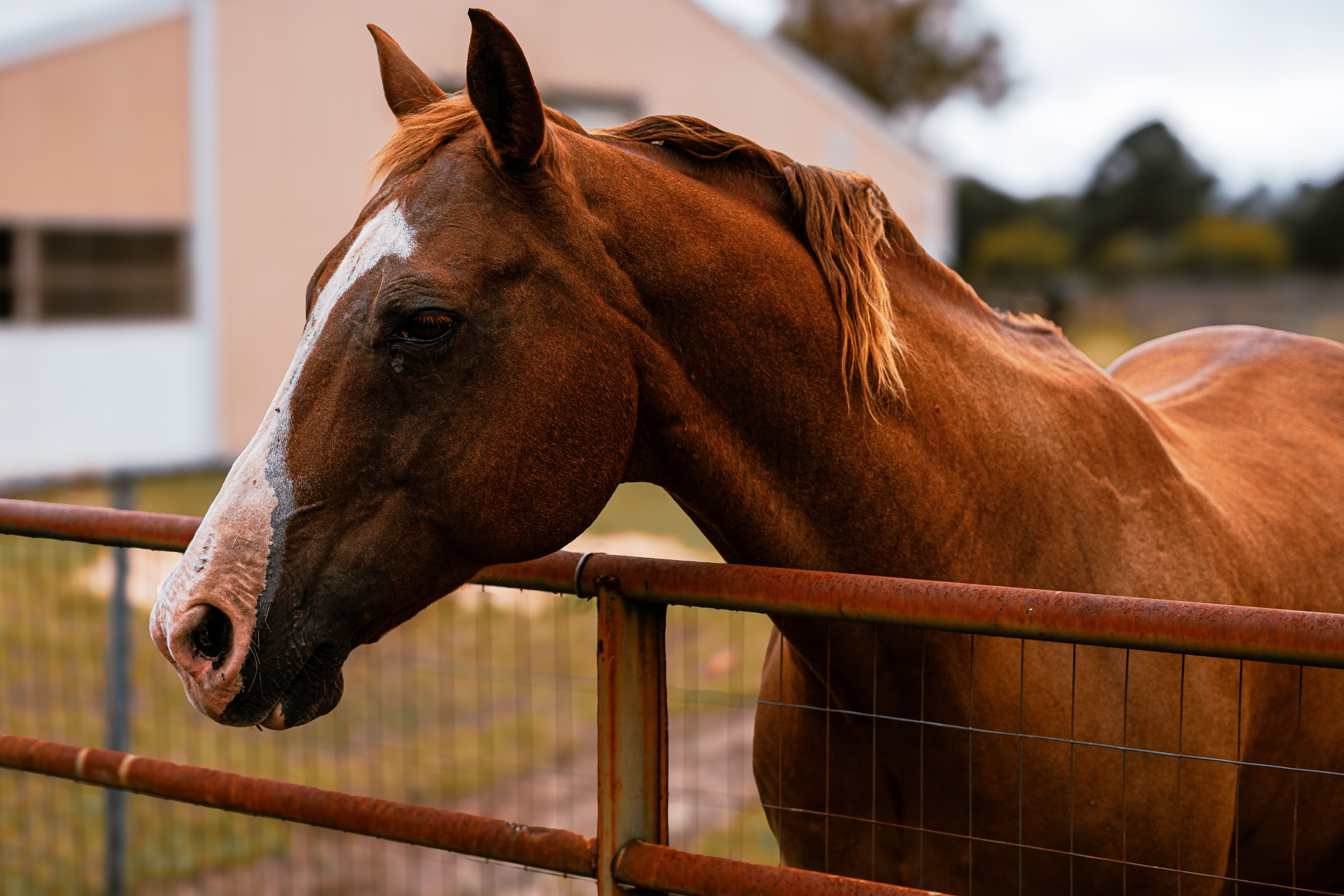
Horses are incredibly efficient breathers. At rest, a typical 1000 lb horse breathes about 15 times per minute, with each breath moving approximately 5 liters of air. That adds up to a total of 75 liters of air per minute!
However, not all of that air is used for oxygen exchange. Some of it just moves through the airways without reaching the alveoli, where gas exchange happens. This unused air is called dead space ventilation (VD). Minimizing dead space and optimizing airflow to the lungs is especially important when a horse is under anesthesia.
The Impact of Anesthesia on Breathing
While an awake horse naturally adjusts ventilation to match its needs, an anesthetized horse does not. This is where controlled ventilation becomes essential. Anesthesia significantly changes a horse’s ability to ventilate properly. When a horse is awake, breathing is controlled naturally by negative pressure. But under anesthesia, things get more complicated. Several factors can interfere with normal breathing:
- Positioning Matters: Horses are meant to stand, so when they’re lying down under anesthesia, their lung function changes. Blood flow and airflow may become mismatched, leading to inefficient gas exchange.
- Reduced Cardiac Output: Changes in blood flow can reduce how effectively oxygen is delivered to tissues.
- Ventilation-Perfusion Mismatches: Some areas of the lung may receive plenty of air but not enough blood flow (alveolar dead space), while others may have good blood flow but not enough ventilation (shunt effects).
The Five Causes of Hypoxia in Horses
When oxygen levels drop, this is called hypoxia. There are five main reasons this can happen:
- Hypoventilation: The horse isn’t breathing enough to remove CO₂ and bring in O₂.
- Diffusion Impairment: Issues like pneumonia or pulmonary edema prevent oxygen from transferring properly.
- Low Inspired Oxygen: Usually only an issue at high altitudes or with certain gases.
- Ventilation/Perfusion Mismatch: A major problem in anesthetized horses where airflow and blood flow aren’t aligned properly.
- Shunting: Blood bypasses ventilated areas, leading to poor oxygenation.
Spontaneous vs. Controlled Ventilation
When it comes to ventilating a horse under anesthesia, there are three primary methods:
Spontaneous Ventilation
This is when the horse breathes on its own. The benefit? It maintains better blood circulation because negative pressure breathing supports venous return to the heart. The downside? It can be inconsistent, and anesthetic depth is harder to control since inhalant delivery depends on the horse’s breathing pattern.
Assisted Ventilation
In this approach, the horse starts each breath, but the ventilator helps by adding pressure to assist airflow. While it can improve oxygenation slightly, it often doesn’t fix issues with CO₂ buildup, meaning the horse may still retain too much carbon dioxide.
Controlled Ventilation
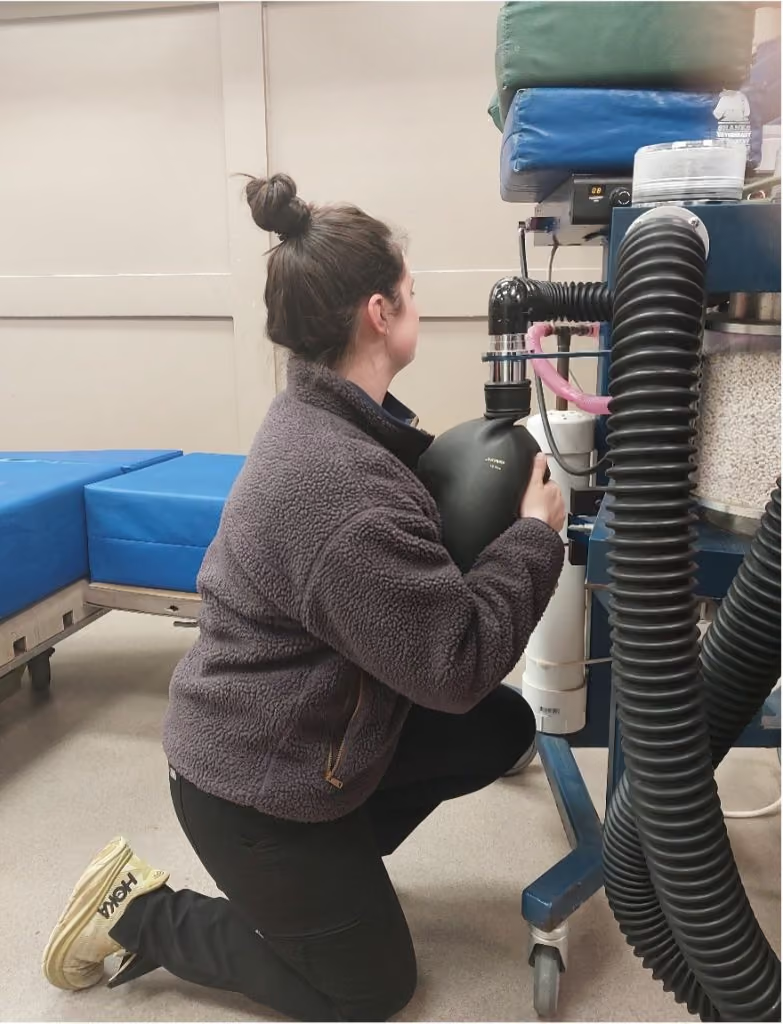
With controlled ventilation, the machine takes over completely. This means:
- The ventilator sets the respiratory rate and volume.
- More consistent anesthesia delivery.
- Potential for reduced lung collapse (atelectasis).
However, the trade-off is cardiovascular depression—positive pressure breathing can make it harder for blood to return to the heart, which may reduce overall circulation.
Ideal Ventilation Targets for a 450 kg Horse:
Evolution of Equine Ventilation Equipment
The Early Days
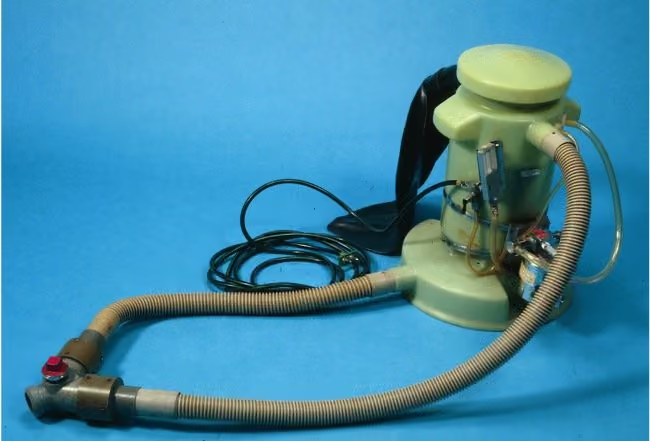
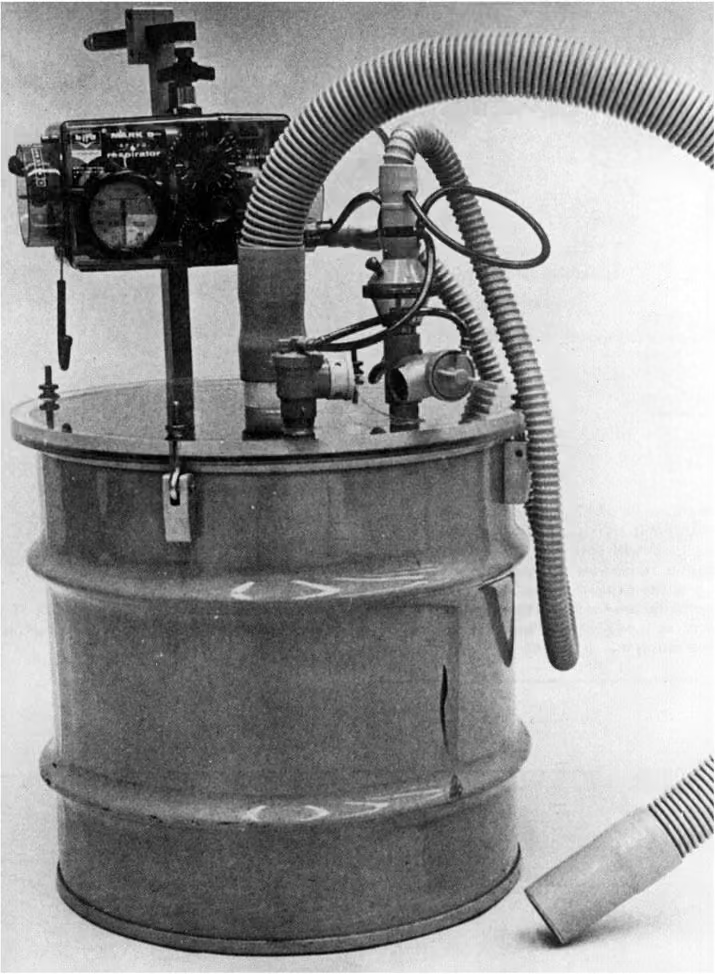
The first anesthesia machines were crude. The Snyder Anesthetic Machine was prone to leaks and inefficiencies, while the Bag-in-a-Barrel System allowed for some control but lacked precise monitoring of tidal volume.
Modern Ventilation – Mallard Medical’s Innovations
Today’s ventilators, like those developed by Mallard Medical, are far more advanced:
- Standing or Ascending Bellows help detect leaks—if there’s a leak, the bellows won’t refill properly.
- Improved Control allows for spontaneous breathing while still connected to the ventilator.
- Adjustable Settings mean veterinarians can fine-tune ventilation for each horse’s needs.
Modern ventilators allow precise control of breath rate, tidal volume, and inspiratory time, making anesthesia safer and more predictable.
Final Thoughts
Equine ventilation is a delicate balance between maintaining proper oxygenation and preventing cardiovascular depression. Understanding the differences between spontaneous, assisted, and controlled ventilation is crucial for optimizing anesthesia management.
Thanks to innovations in ventilator technology—especially those from Mallard Medical—equine anesthesia has become much more efficient, ensuring horses receive the highest level of care possible. For veterinarians and anesthetists, staying informed about ventilation techniques and equipment advancements is key to improving outcomes and keeping their patients safe.