

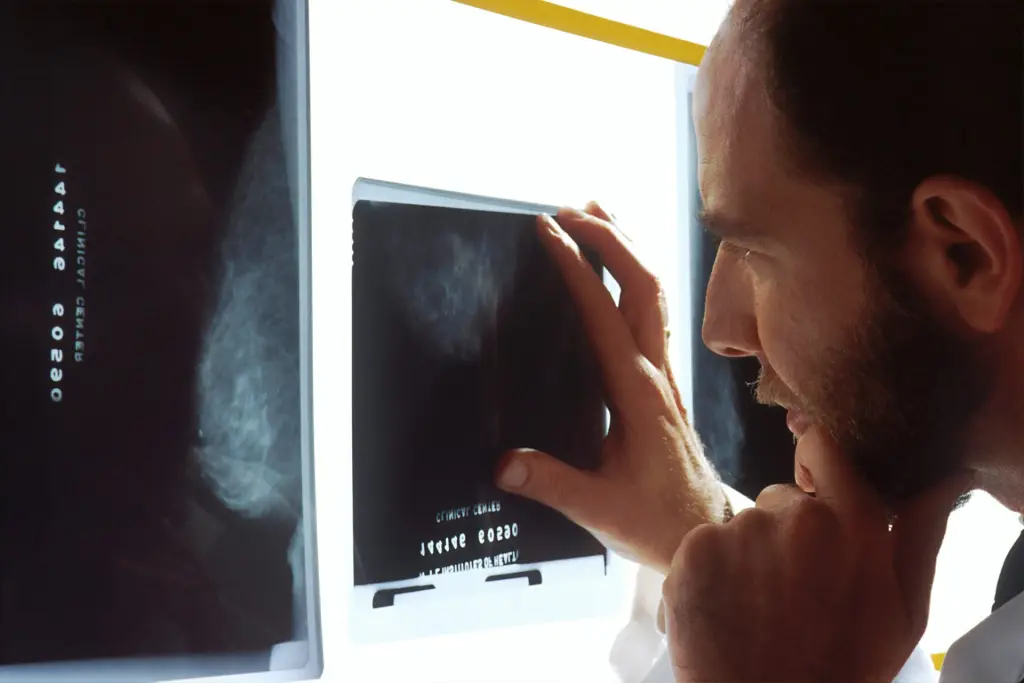
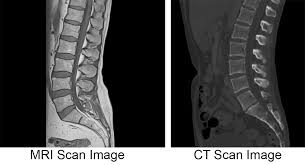
In veterinary medicine, diagnostic imaging is one of the most powerful tools for uncovering internal conditions, guiding surgeries, and saving lives. As technology advances, veterinarians have more options than ever before to visualize anatomy in stunning detail — most notably through CT (computed tomography) and MRI (magnetic resonance imaging).
Yet, not all imaging technologies are created equal. While CT scans remain common in animal diagnostics, they carry risks that are too often overlooked — particularly their link to ionizing radiation exposure, which can increase the risk of cancer over time.
MRI, on the other hand, offers a safer, radiation-free alternative that’s becoming increasingly accessible and reliable — especially when paired with modern MRI-conditional anesthesia and ventilator systems designed specifically for animal use.
This article explores the real risks of CT scans, why MRI is a superior choice for both patient safety and diagnostic precision, and how Mallard Medical is helping veterinary hospitals, universities, and research institutions lead the shift toward safer imaging environments for animals.
Understanding the Difference: CT vs. MRI
Before diving into safety, it’s important to understand how these imaging methods differ:
Radiation and Its Biological Impact
Ionizing radiation is powerful enough to break chemical bonds in DNA molecules. When this happens inside living tissue — whether human or animal — cells can misrepair or mutate, creating a potential pathway toward malignant growth.
In animal medicine, these effects are not theoretical. While pets and research animals live shorter lifespans than humans, repeated diagnostic exposure (especially in chronic disease monitoring or cancer cases) can accumulate radiation dose over time.
Studies in veterinary radiology have shown:
- CT scans deliver 10–100 times more radiation than traditional X-rays.
- Animals undergoing multiple CTs within a year may experience measurable tissue-level radiation effects.
- Young, growing, or small animals are more sensitive to radiation-induced DNA damage due to higher rates of cellular replication.
Even though CT imaging can be invaluable in trauma or acute conditions, it’s crucial for veterinarians and researchers to balance diagnostic value against long-term biological risk — particularly when alternatives like MRI exist.
How CT Scans Can Lead to Cancer in Animals
When a CT scan is performed, X-rays penetrate the body and deposit energy in tissues. This energy can:
- Ionize molecules, creating free radicals that attack DNA.
- Cause double-strand DNA breaks, which, if misrepaired, trigger mutations.
- Alter cell-cycle control, allowing damaged cells to replicate unchecked.
Over time, these cellular changes can increase the risk of neoplastic transformation — the early stage of cancer formation.
While the exact risk varies by species, size, and age, studies in mammals suggest that even small increases in cumulative dose can have significant biological effects, particularly in radiosensitive organs such as:
- Bone marrow
- Thyroid gland
- Reproductive tissues
- Lungs
Radiation-induced sarcomas, thyroid neoplasms, and hematopoietic cancers have all been reported in both human and veterinary oncology literature following prolonged or repeated radiation exposure.
MRI: The Radiation-Free Alternative
MRI stands apart as a non-ionizing imaging technology. Instead of bombarding tissue with radiation, it uses a powerful magnet to align hydrogen protons in the body. When the magnetic field is altered, these protons emit radio signals that are reconstructed into detailed cross-sectional images.
The result is:
- Zero radiation dose
- Superior soft tissue contrast
- Exceptional safety, even for young, pregnant, or vulnerable patients
MRI can reveal neurological diseases, musculoskeletal injuries, tumors, and organ abnormalities with unparalleled detail—all without the risks associated with ionizing radiation.
Why MRI Is the Future of Veterinary Diagnostics
- No Cancer Risk from Radiation
MRI avoids the primary danger of CT — DNA damage. Animals can safely undergo multiple MRIs throughout treatment without increasing their lifetime cancer risk. - Better for Soft-Tissue Imaging
MRI excels at identifying issues in the brain, spinal cord, joints, and organs where CT lacks sensitivity. This makes it the gold standard for neurological and orthopedic diagnostics in both small and large animals. - Ideal for Research and Repeated Imaging
In research environments, MRI allows longitudinal studies on the same subject over time without the ethical or biological complications of cumulative radiation exposure. - Improved Diagnostic Precision
MRI provides higher resolution for soft tissues, allowing earlier detection of subtle abnormalities — crucial in oncology, neurology, and cardiology. - Alignment with Modern Veterinary Ethics
As the field moves toward more humane and patient-centered care, MRI supports this vision by minimizing risk and maximizing diagnostic yield.
The Role of Anesthesia and Ventilation in MRI Imaging
One of the greatest challenges in veterinary MRI is that animals must remain perfectly still for extended periods — sometimes 30 minutes or more. This requires carefully managed anesthesia and ventilation to ensure stable, safe conditions throughout the scan.
But MRI systems operate in extremely strong magnetic fields, which means standard ventilators and anesthesia machines cannot be used. Ferromagnetic materials inside typical equipment can:
- Be pulled toward the magnet, posing a serious safety hazard.
- Interfere with the MRI image, creating artifacts or distortions.
- Malfunction due to electromagnetic interference.
That’s where MRI Conditional systems come in.
Mallard Medical’s Role in Safe MRI Imaging
Mallard Medical has long been at the forefront of veterinary anesthesia and ventilation technology, and its MRI Conditional systems represent the next evolution in safe, high-performance imaging support.
Our MRI Conditional Ventilator/Anesthesia machines—including the newly released 2200B Small Animal System and the MRI-Conditional Large Animal Unit—are engineered to operate seamlessly in the demanding magnetic environment of MRI suites.
Key Advantages:
- Non-magnetic construction — All critical components are made from non-ferrous materials, ensuring full compatibility inside the MRI room, even near the magnet bore.
- Precision control — Designed to deliver consistent tidal volumes and pressures tailored for each animal species and size.
- Reliable anesthesia delivery — Maintains precise anesthetic concentrations, ensuring stable patient conditions during long scans.
- Noise and vibration minimization — Essential for sensitive MRI imaging environments.
- Proven MRI compatibility — Tested and used in leading veterinary MRI centers and universities across the United States.
These systems enable veterinarians and researchers to safely image animals under anesthesia without risking patient safety or image quality — a critical advancement for the future of veterinary diagnostics.
A Growing Need for MRI-Safe Equipment
As more veterinary hospitals adopt MRI technology, the need for MRI-compatible life-support systems is increasing rapidly.
Without proper equipment, facilities are forced to place ventilators outside the MRI room, using long hoses that reduce precision and complicate control. This not only risks patient safety but can also compromise scan outcomes.
Mallard Medical’s MRI Conditional systems eliminate these risks, bringing full anesthesia and ventilation capability inside the MRI suite—close to the patient, within the magnetic field, and under complete control.
This advancement is empowering veterinary teams to:
- Perform longer and more complex MRI studies.
- Image delicate species and exotic animals safely.
- Expand diagnostic offerings to match or exceed human medical standards.
Why Radiation-Free Imaging Matters for the Future
The long-term vision of veterinary medicine is preventive, precise, and patient-centered. Reducing unnecessary radiation exposure aligns with all three goals.
- Preventive Care:
Avoiding radiation damage minimizes long-term health risks in animals, especially those with chronic conditions requiring repeat imaging. - Precision Medicine:
MRI’s superior soft-tissue resolution helps identify conditions earlier and more accurately, leading to more targeted treatment plans. - Patient Safety and Ethics:
As the profession continues to elevate standards of care, MRI represents a shift toward safer, more ethical diagnostics that protect animal welfare.
The movement toward MRI-based imaging is not just technological—it’s philosophical. It reflects a deeper commitment to the idea that animal patients deserve the same standard of safety and care we expect in human medicine.
Mallard Medical: Powering the Future of MRI Veterinary Imaging
From university research centers to specialty hospitals and zoos, Mallard Medical partners with leading institutions worldwide to make MRI imaging safer, more reliable, and more accessible for veterinary teams.
Every MRI Conditional ventilator and anesthesia system we produce is designed to:
- Meet the exacting demands of high-field MRI environments.
- Deliver precision performance for species ranging from small rodents to large equines.
- Eliminate the radiation risks associated with older imaging modalities.
By supporting the transition from CT to MRI-based imaging, Mallard Medical isn’t just advancing technology — we’re helping redefine what safe, ethical, and modern veterinary care looks like.
Final Thoughts
CT scans have their place in veterinary diagnostics, especially for trauma or bone imaging. But as awareness grows around radiation-induced risks, particularly the potential for cancer development, the profession is looking toward safer, more sustainable solutions.
MRI represents that future — a diagnostic tool that offers unmatched detail, zero radiation, and total patient safety.
And with Mallard Medical’s MRI Conditional anesthesia and ventilator systems, veterinary professionals can perform these advanced imaging studies with complete confidence, knowing their patients are supported by equipment built for safety, precision, and MRI compatibility from the ground up.
Mallard Medical is proud to stand at the intersection of innovation and care, building the technology that keeps animals safe — not just during surgery, but in every stage of diagnosis and recovery.